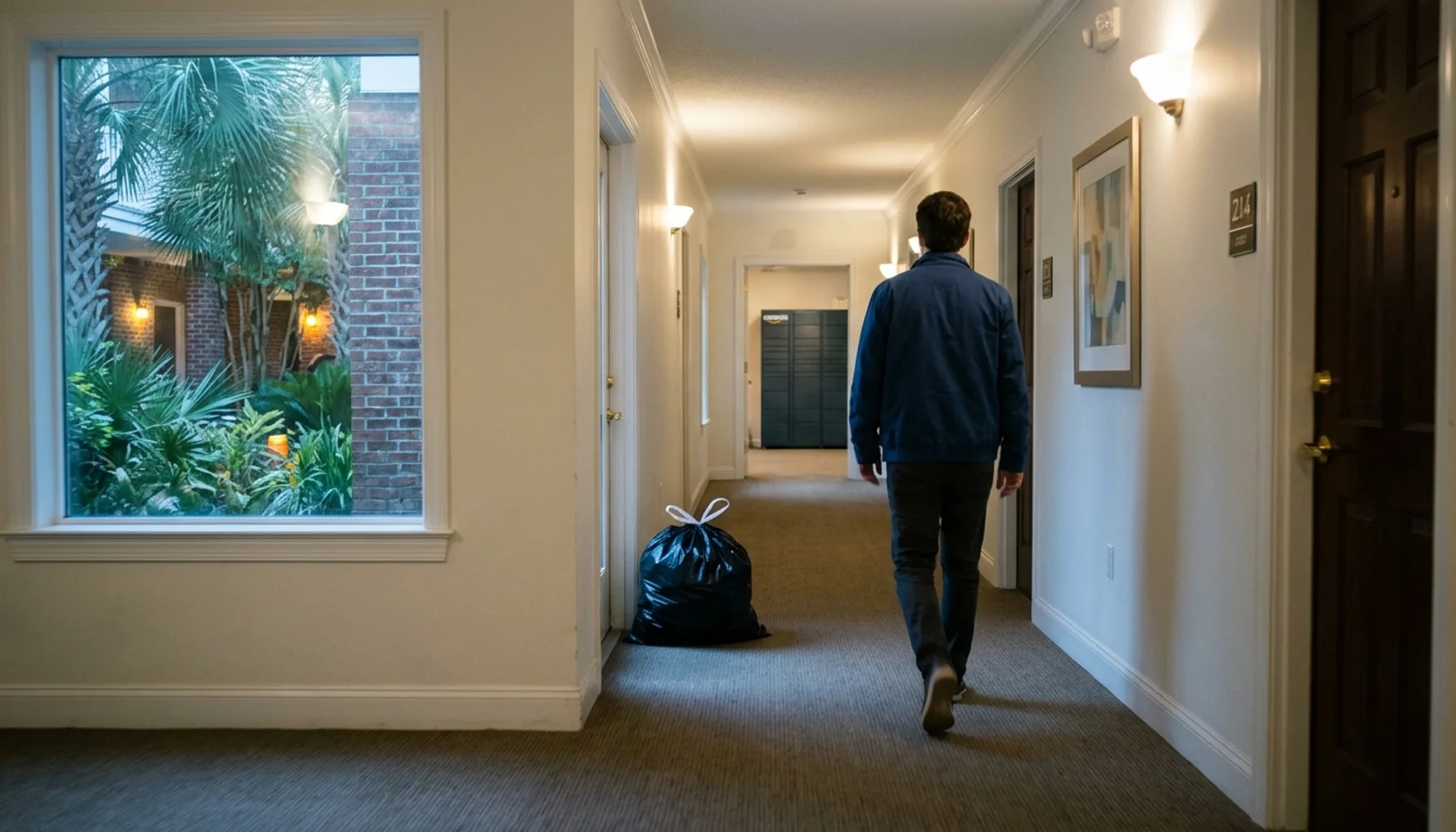
The amenities that improve resident retention in multifamily apartment communities are the ones residents use every day: responsive maintenance, in-unit laundry, dependable internet, secure parking and packages, and convenience services such as valet trash. Pools and rooftop lounges help leasing, but daily-use services decide renewals.
Key Takeaways
- Retention follows how often residents use an amenity and how reliably it works, not the length of the amenity list. Showpiece spaces mostly win tours.
- One resident survey summarized in retention research found that 47% of residents cited maintenance response, 46% security, and 34% community appearance as drivers of a positive experience.
- Convenience services such as valet trash reach residents every night, which earns them a place in the retention budget next to laundry, internet, and package handling.
- Survey your own residents and compare renewal rates before and after each change; most published retention claims come from vendors, not controlled studies.
- Skip underused social spaces and amenity fees that outweigh perceived value until the basics run without complaints.
Renewal decisions rarely hinge on the clubhouse. They hinge on what happens at the apartment door and in the parking lot on an ordinary Tuesday night: whether the work order closed, whether the breezeway is clear, whether the package arrived. In 2026, renters compare communities online in minutes, so small daily frustrations carry a real price in turnover.
At Trash Day Made Easy, we run nightly valet trash for multifamily communities across the Charleston area, from garden-style properties in North Charleston to townhome rows on Daniel Island. The same retention conversation comes up with property managers again and again, and it almost never starts with a pool.
This guide separates retention amenities from leasing amenities, ranks the common options by cost and daily use, and gives you a survey method and rollout steps so you can spend where renewals actually move.
Do Amenities Improve Retention or Only Attract New Renters?
Amenities improve retention only when residents use them often and the property delivers them reliably. A rooftop terrace wins tours, but renewals follow daily experience. An amenity that sits empty or breaks down becomes a reason to leave rather than a reason to stay.
Acquisition amenities versus retention amenities
Acquisition amenities photograph well: a resort-style pool, a staged co-working lounge, a pickleball court. Retention amenities show up in routine: laundry that works and a trash and recycling process that never lets bags pile up. Packages arrive safely too. Most communities need both, but the second group decides whether a resident signs a second lease.
What the evidence supports
A multifamily industry report referenced by industry groups found that 75% of residents consider amenities a key factor when deciding to rent or renew. That figure covers both decisions, so it proves amenities matter without telling you which one moves renewals.
Be skeptical of vendor-published retention lifts. Most come from correlation, not controlled testing. The cleaner approach is to compare renewal rates at your own property before and after a change, which the survey section below walks through.
Which Amenities Improve Resident Retention Most?
The amenities that improve resident retention most are the baseline systems residents touch weekly: responsive maintenance, a secure and clean property, in-unit laundry, dependable internet, and reliable package handling. Social and recreation spaces rank behind them for most households.
Retention research summarizing one resident survey reports 47% of residents naming maintenance response, 46% naming security, and 34% naming community appearance as drivers of a positive experience. Notice that none of those are buildings. They are services and standards.
The same research summarizes an academic thesis that ranked the community pool and fitness center as top amenities for lease-renewal decisions, with the laundry center close behind as the third most important. Laundry facilities and clubhouses influenced both renewal and new-lease decisions. So did outdoor grilling areas.
Baseline expectations
In-unit washer and dryer and functioning air conditioning now read as baseline. Fast internet does too. Residents rarely thank you for them, but they notice immediately when one fails. Wi-Fi 6 mesh coverage and smart lock systems add convenience, though they only retain residents when setup is painless and support answers quickly.
Parking and packages
Garages and covered parking drive daily satisfaction, especially in humid coastal markets where a covered space beats a sun-baked lot. Package lockers solve a different daily friction: a missed delivery or a stack of boxes in a leasing office. Both are low-glamour and high-frequency, which is the profile that retains.
Why Does Valet Trash Hold Up Renewals?
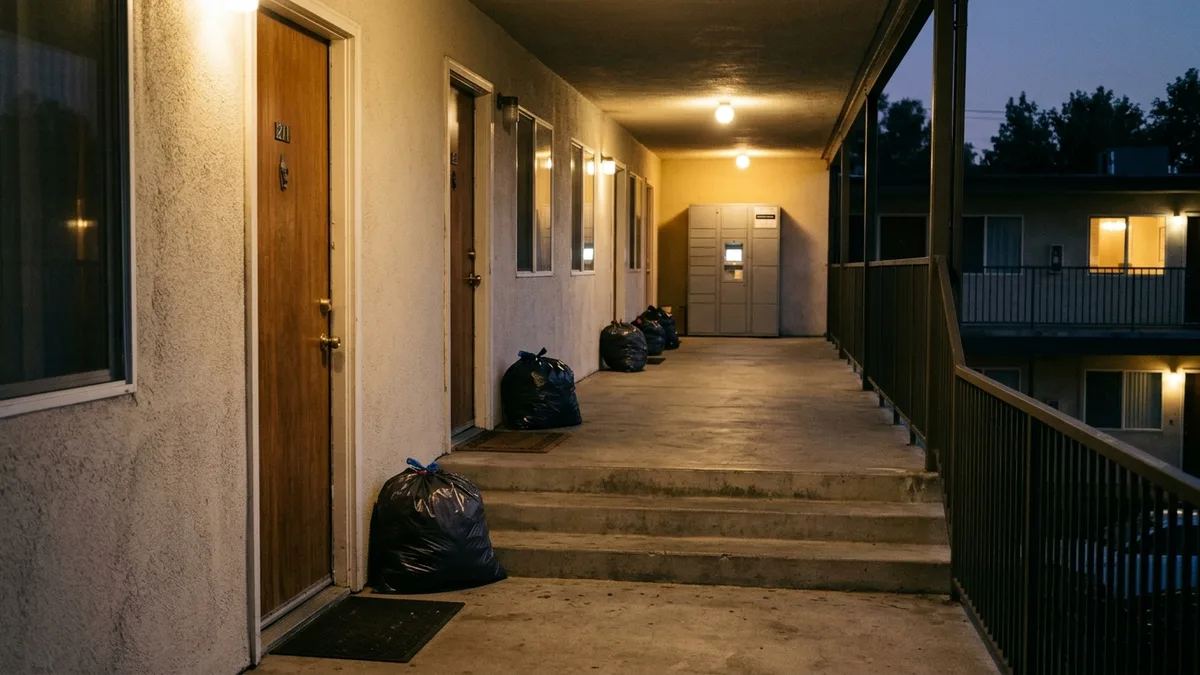
Valet trash is a convenience service in which an attendant collects bagged trash from each apartment door on scheduled evenings and carries it to the community compactor or dumpster. It supports renewals because it removes a daily chore from residents and keeps breezeways and dumpster areas clean.
Trash is the one amenity every household touches every day. A resident may skip the gym for a month, but nobody skips taking out the garbage. When that task disappears, the benefit registers nightly. When it fails, with bags in a stairwell or a full dumpster, the complaint registers just as fast.
Climate sharpens this. In North Charleston, summer heat and humidity turn an overflowing dumpster into a smell problem within a day or two, and communities along the Rivers Avenue corridor feel that in their curb appeal. Our guide on why overflowing dumpsters cause renewals to drop covers the mechanics.
Here is how we handle it at Trash Day Made Easy: nightly Doorstep-to-Dumpster collection, with a photo-verified record of each visit, so you see proof of service without sending a reminder or chasing a vendor.
When valet trash is not worth it
A ten-unit property with a single compactor near the lot may not need nightly service. A 300-unit community with third-floor walk-ups usually does. If you are weighing it, read whether valet trash counts as an apartment amenity and our breakdown of why amenity-grade trash service matters for resident retention.
How Do Fitness, Pet, Remote-Work, and Social Amenities Compare?
Fitness centers and pet facilities are discretionary amenities, as are co-working rooms and social spaces. They raise retention for specific resident groups rather than for everyone. Match each one to the households you actually house, and measure usage before you expand or copy it at another property.
Fitness and outdoor space
A fitness center earns its keep when it is clean and well-equipped. It also has to stay open to different schedules. Walking paths and grilling areas cost less to operate than a pool and see broad use. Firepits do the same. Check that each is reachable and usable for residents with disabilities, a gap most amenity packages overlook.
Pet-friendly features
A fenced dog run and a pet wash station matter a great deal to pet owners and nothing to everyone else. If your resident base skews toward pet owners, they are cheap retention insurance, since pet households face real friction when moving.
Remote work and co-working
Co-working rooms and reservable conference rooms pay off in communities with many work-from-home professionals. They fail in family-heavy or senior-heavy communities where the room sits dark. Stable resident Wi-Fi matters more than a designer desk.
Community events
Resident events cost little, and they may build the kind of attachment that makes leaving harder. We have no data linking events to renewals, so treat that as a hypothesis to test: track attendance, then check whether attendees renew at a different rate than non-attendees.
What Does Each Amenity Cost Compared With Its Retention Role?
An amenity cost comparison ranks each option by upfront spend and ongoing burden, then by how often residents touch it, because retention follows frequency of use rather than the size of the build. The table uses qualitative ratings, since real costs vary by property class and market. Vendor pricing shifts them too. Get written quotes for your property before you budget.
| Amenity | Resident touchpoint | Upfront cost | Ongoing burden | Likely role |
|---|---|---|---|---|
| Responsive maintenance process | Daily to weekly | Low | Staff and training | Strong retention |
| In-unit laundry | Weekly | High at build or retrofit | Repairs | Strong retention |
| Reliable internet and Wi-Fi | Daily | Moderate | Support and upgrades | Strong retention |
| Package lockers | Several times a week | Moderate | Low | Retention and leasing |
| Nightly valet trash (our service) | Daily | None, no build-out | Vendor fee, often passed through to residents | Strong retention |
| Fitness center | Occasional to weekly | Moderate to high | Equipment, cleaning | Mixed |
| Resort-style pool | Seasonal | High | High | Leasing first |
| Rooftop lounge | Occasional | High | Moderate | Leasing first |
Which amenities are often not worth the cost?
Underused lounges and oversized clubhouses top the list. Pools in small communities do as well. Amenity fees also backfire when residents feel they pay for something they do not use. A broken fitness center is worse than none. Fix reliability before adding square footage.

How Do You Survey Residents and Track Amenity Results?
A resident amenity survey is a short questionnaire asking current residents which services they use and which frustrate them. It also asks what would make them renew. Paired with usage and renewal data, it shows which amenities actually influence leases at your property instead of at someone else's.
- Ask five to eight questions: what residents use weekly, what they would give up, and what almost made them leave.
- Run the survey several months before the busiest lease-expiration period, so you have time to act.
- Add a short exit survey for residents who move out, and compare answers with those of renewers.
- Track usage where you can: reservation counts, fitness check-ins, package locker logs, and trash complaint volume.
- Compare renewal rates before and after each amenity change, by building or cohort.
- Review the results quarterly and cut or fix what residents do not use.
Segment the answers. Families and professionals rank amenities differently from students and seniors, and the average hides those differences. Maintenance responsiveness and service quality will often outscore any physical amenity in the free-text comments.
How Do Apartment Managers Set Up Valet Trash Service?
Setting up valet trash means choosing a service window and defining pickup rules. Then tell residents clearly and require proof of service. The launch timeline varies by property, but communities move fastest when the vendor handles bin and bag logistics along with the routes.
- Walk the property with the vendor to map doors, stairwells, and the compactor or dumpster location.
- Decide whether the fee is included in rent or billed separately, and confirm lease language with your attorney or the relevant housing authority.
- Set a nightly collection window and the days it applies.
- Write plain resident rules: bag size, where to place trash, and what is not accepted.
- Require photo verification and a clear missed-pickup escalation path.
- Review complaint volume monthly for the first quarter.
Our service scales from 10 to more than 1,000 units with the same standard at every property, and we also handle turnover trash and bulk item removal between residents. Quotes are available Monday through Friday. For the basics, see what garbage valet is and how it works, and our multifamily service overview. The National Apartment Association also publishes operating resources for managers.
Frequently Asked Questions
What is valet trash at an apartment?
Valet trash is a doorstep collection service where an attendant picks up bagged trash from each apartment door on set evenings and carries it to the community dumpster or compactor. Residents skip the trip, and the property keeps breezeways and dumpster areas cleaner.
What is a trash fee in an apartment?
A trash fee is a recurring monthly charge, usually billed with rent, that covers waste services such as valet pickup. Amounts vary by community, so check your lease. For how pricing is structured, see how much valet trash companies charge apartments.
What does a garbage collector do?
A garbage collector picks up waste from homes, buildings, or collection points and hauls it to a disposal or processing site. In a valet trash program, the attendant collects bagged trash from each doorstep and moves it to the community dumpster, which spares residents the walk.
What are trash collectors called?
Trash collectors go by several names: garbage collectors, refuse collectors, sanitation workers, and waste collectors. In apartment communities with doorstep service, they are often called valet trash attendants or service technicians.
Do amenities actually improve resident retention, or only attract new renters?
Both, but not equally. Showpiece amenities mostly help leasing, while reliable daily-use services support renewals. Because most published retention claims come from surveys and vendors, compare renewal rates at your own property before and after a change.
How much should a property spend on amenities to improve retention?
No universal figure holds across property classes and markets. Start by fixing high-frequency services such as maintenance response and trash. Packages come next, and discretionary spaces get added only where survey and usage data support them. Spend more where residents touch the service daily.
Which amenities matter most to renters in North Charleston?
Baseline items matter most: working laundry, air conditioning, internet, covered parking, and clean grounds, plus convenience services like valet trash. Humid summers make trash handling and covered parking more noticeable than in drier markets. Confirm priorities with a resident survey at your own community.
Conclusion: Which Amenities Should You Fund First?
The amenities that improve resident retention in multifamily apartment communities are the ones residents depend on daily: responsive maintenance, laundry, internet, packages, and nightly convenience services such as valet trash. Fund those first, survey your own residents, and track renewals before adding showpiece spaces. As 2026 renewals approach, reliability will separate communities that keep residents from those that keep re-leasing.
If a nightly, photo-verified waste program belongs in your retention plan, Schedule a Call with Trash Day Made Easy and we will walk through your property layout and service options.
Content powered by inkSTR.co