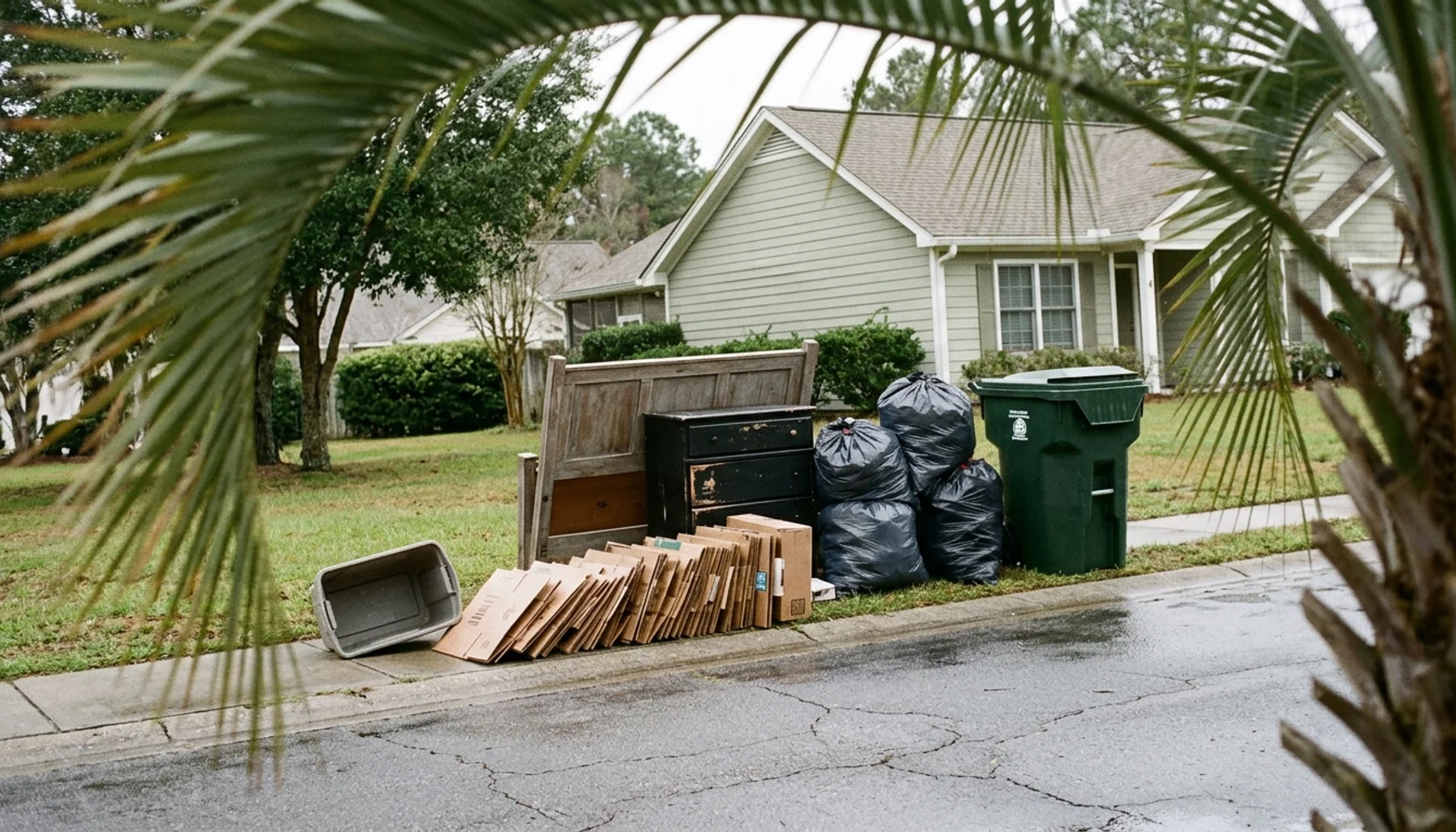
You handle move-in move-out trash and debris removal without creating liability by photographing the unit before anything moves. Sort waste into separate streams. Hire only haulers who prove their insurance in writing, and keep disposal records. That is the sequence we follow at Trash Day Made Easy for Mount Pleasant and Charleston-area turnovers.
Key Takeaways
- Debris liability comes from four exposures: injury, property damage, abandoned property claims, and improper disposal.
- Dated photos of the unit and the haul route, taken before removal starts, are the cheapest protection in a deposit or damage dispute.
- North Charleston curbside rules separate white goods, furniture, building materials, and yard debris, and the City does not collect hazardous materials such as paint, oil, and chemicals.
- Abandoned belongings follow your lease and state landlord-tenant law, so confirm notice and waiting-period steps with counsel before discarding anything.
- A hauler should provide a certificate of insurance, a written scope, and an itemized invoice that names the unit.
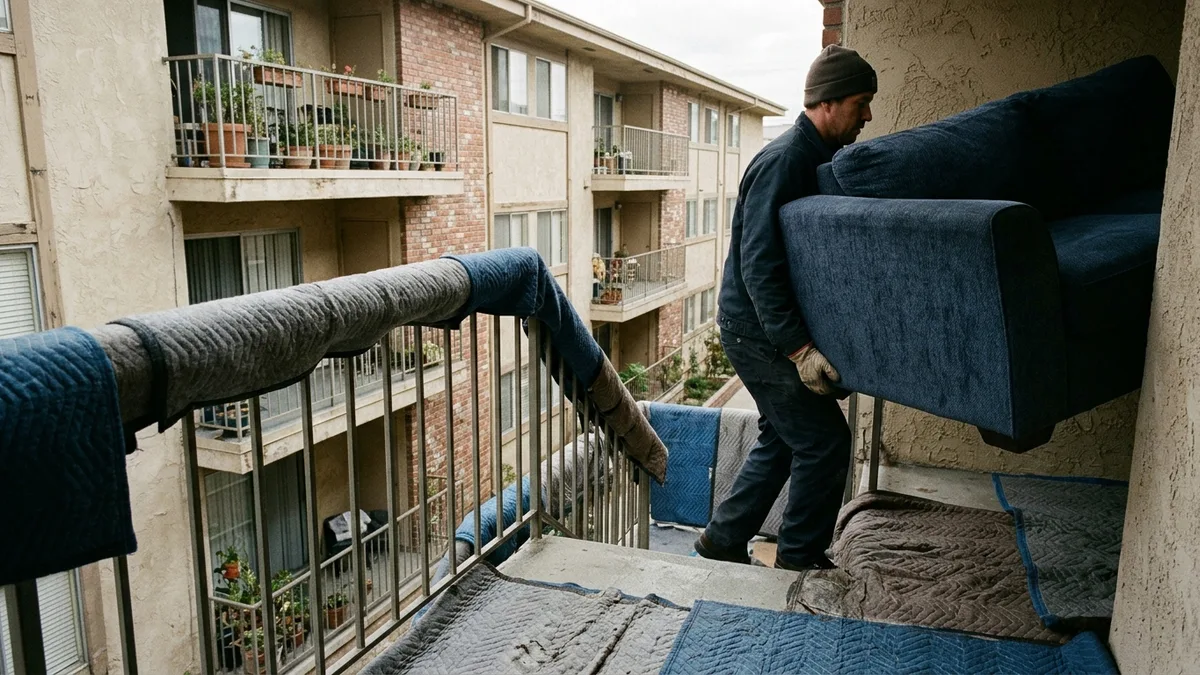
A Monday morning walk through a garden-style community near the Rivers Avenue corridor often tells the story. You might see a sectional sofa on a third-floor landing. Flattened boxes may sit against a breezeway wall, and a dumpster may have overflowed by Sunday. The next resident arrives Friday. Every item in that scene carries a possible claim.
This guide lays out the process we recommend in 2026 for apartments, build-to-rent homes, short-term rentals, and HOA neighborhoods in Mount Pleasant, North Charleston, and nearby areas. It runs in order, from documentation through disposal records.
One caution up front: this is operational guidance, not legal advice. Your lease and state landlord-tenant law control abandoned property and deposit deductions, so verify those points with counsel or an official source.
Step 1: What Liability Does Move-In Move-Out Debris Create?
Move-out debris liability is the legal and financial exposure a landlord, manager, or HOA takes on when leftover belongings, bulk items, and waste are handled badly during a turnover. Four exposures show up most often, and each needs a different safeguard.
- Injury: a resident trips over staged furniture on a stairwell landing, or a hauler is hurt carrying a mattress down three flights.
- Property damage: gouged flooring, scraped stairwell walls, and broken railings lead to repair bills and deposit disputes.
- Abandoned property claims: a former resident says the items you discarded had value and went out too soon.
- Improper disposal: paint, batteries, or chemicals land in a dumpster, or a hauler dumps your load illegally.
Piles create a separate problem. Charleston County Ordinance 1227th, adopted August 13, 2002, describes accumulated solid waste on an occupied lot as a nuisance. In coastal humidity, debris stacked beside a building draws pests and odor quickly, and a turnover shortcut becomes a resident complaint.
Move-in adds a second wave: packing material and flattened boxes. New arrivals also replace furniture. Treat it with the same documentation you use at move-out.
Step 2: How Do You Document the Unit Before Anything Moves?
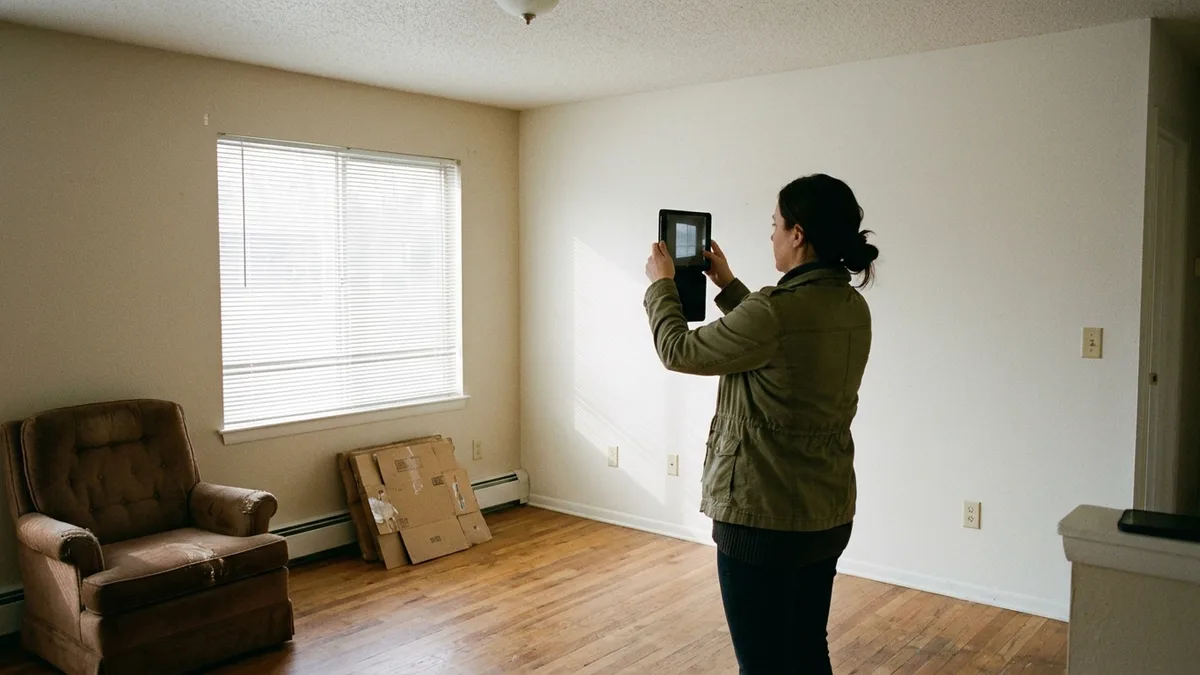
A pre-removal condition record is a dated set of photos or video, paired with a written inventory, that shows what the unit and shared areas looked like before anyone touched the debris. It is the cheapest dispute protection available, and a walk-through is usually all it takes to build one.
Start inside the unit. Photograph every room, closet, balcony, and storage area, then tag the set with the unit number and the date and time of the inspection. Capture each large item on its own, and note any existing damage to floors and walls.
Next, photograph the route from the unit to the dumpster or loading area, including stair treads, railings, door frames, elevator interiors, and breezeway floors. That path is where most hauling damage claims begin, and a before photo ends the argument about what was already scuffed.
We apply the same habit to every service visit, which is photo-verified so a manager sees proof without sending a reminder. For turnovers, repeat the photo set after removal and file it with the vendor's invoice.
Step 3: What Counts as Bulk Waste, and How Do You Sort It?
Bulk waste is any item too large or too heavy for a standard trash bin, such as sofas, mattresses, appliances, and building materials. Sorting it into streams before removal keeps restricted items out of the wrong truck and keeps your costs predictable.
Use six streams: disputed or valuable property, donations, recyclables, general junk, repair debris, and restricted materials. Usable furniture can go to donation outlets such as Habitat for Humanity ReStore or Goodwill, and Earth911 helps locate recycling options. Paint and batteries belong at a household hazardous waste facility. So do chemicals.
The table below summarizes North Charleston's curbside rules as published by the City. Confirm current details with City sanitation before set-out, since rules change.
| Item | North Charleston curbside handling | Practical move |
|---|---|---|
| Refrigerators, stoves, washers, window air conditioners, water heaters | Separate pile; refrigerator and freezer doors removed before set-out | Remove doors inside the unit and stage the appliance indoors until pickup |
| Furniture | Separate pile | Photograph first and confirm it is not disputed property |
| Building materials | Separate pile; no more than 90 gallons collected on a single collection day | Book a private hauler for larger repair debris |
| Logs, limbs, brush | Separate pile; 4 feet maximum length, 6 inches maximum diameter | Cut to size or hand off to the landscaping crew |
| Paint, oil, gasoline, chemicals, lead-acid batteries, pressurized containers | Not collected by the City | Take to a household hazardous waste facility |
| Shingles, bricks, tile, auto parts | Not collected by the City | Contract a hauler |
City curbside service and Charleston County convenience centers are separate systems. Curbside bulk collection is generally described as residential service, so a multifamily or commercial site may need contracted hauling. We have not confirmed Mount Pleasant's own set-out rules for this guide, so call the Town before sending a load anywhere and treat the North Charleston table as a model, not a match.
Step 4: Who Is Responsible for Abandoned Furniture and Tenant Belongings?
Abandoned property is personal belongings a resident leaves behind after giving up the unit. The rules for handling it come from your lease and state landlord-tenant law, so responsibility depends on what the lease says and what the law requires before disposal.
A defensible workflow has five parts: the inspection record from Step 2, a written notice to the former resident, storage if the lease or law requires it, a waiting period, and written authorization before disposal. Notice and waiting-period details vary, so confirm them with counsel or an official source instead of relying on a rule of thumb. Ask counsel specifically how many days South Carolina law requires you to wait and what the notice must say.
Two habits protect you. First, set aside anything that looks valuable or personal, such as electronics and personal papers, and hold it until counsel clears disposal. Second, never let a technician decide on the spot what counts as trash. A checklist and a named approver keep that call consistent.
HOA boards face a version of this problem with owners and renters alike. Our post on how HOAs enforce bulk item and move-out debris rules covers the community-standards side. For lease language, a local apartment association or the National Apartment Association is a reasonable starting point for forms, though counsel should review them.
Step 5: How Do You Verify a Hauler's Insurance and Write the Contract?
A certificate of insurance (COI) is a document from an insurer showing which coverage a vendor carries, the limits, and the policy dates. Request one before the first job, and ask for proof of general liability and workers' compensation coverage so an injured worker or a damaged stairwell does not land on your policy.
Check that the policy is current and that the company name on the certificate matches the company on the contract. Ask your own insurance advisor whether you should be listed as a certificate holder or additional insured. Then read Google Business Profile reviews and Better Business Bureau records for patterns of damage or no-shows.
Put these terms in writing:
- The scope: which items, which unit, and which items are excluded.
- The access window and the route through common areas.
- Floor and wall protection on stairs and in elevators.
- How damage is reported and how claims are handled.
- The disposal destination and the list of prohibited materials.
- An itemized invoice that names the unit, plus after-photos.
Our team at Trash Day Made Easy handles turnover trash handling and bulk item removal. We also support move-in and move-out as one vendor that already knows your property and its schedule. If you are weighing that approach, our comparison of one vendor versus separate companies explains the trade-offs.
Step 6: How Do You Schedule Removal and Stage Debris Safely?
Turnover debris scheduling means booking removal against the make-ready calendar so waste leaves the unit before cleaning, repairs, paint, and flooring begin. Clearing debris first keeps every later trade from working around piles and keeps the unit on its vacancy timeline.
Confirm the move-out date 5 to 7 days ahead and pre-book the hauler for the day after the resident leaves. Request a 2 to 4 hour arrival window and a same-day backup. Reserve elevators and loading docks so the crew is not carrying furniture the long way. Hold fire lanes and parking too.
Stage debris inside the unit or in a designated corral, never on landings, in stairwells, or in front of fire doors. Where curbside pickup applies, North Charleston asks that trash go out no earlier than 48 hours before the scheduled pickup day. Check dumpster placement and street or driveway permit requirements with your municipality before a roll-off container arrives.
For a deeper look at calendars and handoffs, read our guide to coordinating move-in and move-out logistics without overwhelming staff and our walkthrough of bulk item removal between move-out and make-ready.
Step 7: How Do You Keep Disposal Records That Hold Up in a Dispute?
Disposal records are the paper trail showing what was removed, who hauled it, where it went, and when. They answer a former resident's claim about missing property and a deposit dispute. They also settle any question about where a load ended up.
Keep one file per unit containing the dated before photos, the vendor's after photos, the itemized invoice naming the unit, and any weight tickets or disposal receipts the hauler provides. Add donation receipts for items that went to charity. Note any restricted materials you set aside and where they were delivered.
If a hauler dumps your load illegally, a file showing you hired a verified, insured vendor under a written scope may help demonstrate you acted responsibly. Counsel can tell you how that plays out in your jurisdiction.
Use the same file for the deposit accounting. Any deduction you plan to take should tie back to a photo and an inventory line. It needs an invoice behind it too.
Step 8: How Do You Request a Debris Removal Quote and Control Cost?
A debris removal quote is a written price and scope estimate based on what is being removed, where it sits, and how it must be handled. The more specific your request, the less room there is for surprise charges on the day of the haul.
Send the unit number, your photo set, an item list sorted by stream, access details such as stairs and elevators, and a date window. At Trash Day Made Easy, quotes are available Monday through Friday for all property types, and bulk item removal and move-in and move-out support are priced through a call, not a rate card.
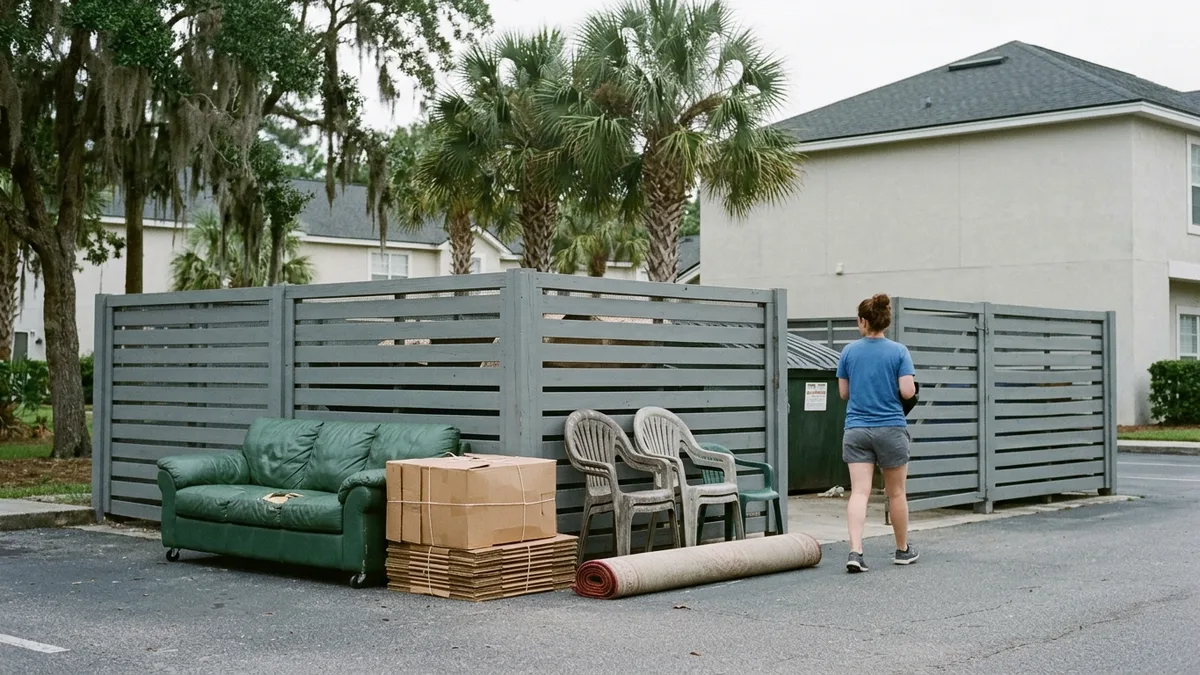
The cheapest way to clear a unit is to cut volume first. Pull donation-ready furniture and separate restricted items. Use municipal curbside only where the property is eligible. A flat advertised price usually covers a limited volume, so ask what happens when the load exceeds it.
For recurring needs between turnovers, see how on-demand trash removal works for rental properties.
Quick Reference: What Does the Full Process Look Like at a Glance?
The liability-safe turnover process is a fixed sequence of eight actions that moves from documentation to disposal records. Follow them in this order for every unit.
- Identify the four exposures: injury, property damage, abandoned property claims, and improper disposal.
- Photograph the unit and the haul route, tag them with the unit number, date, and time, and record an inventory.
- Sort items into six streams and check them against municipal curbside rules.
- Hold belongings under the lease and state law, with written notice and approval before disposal.
- Collect a certificate of insurance and sign a written scope before the hauler arrives.
- Book removal against the make-ready calendar, reserve access, and stage debris safely.
- File photos, invoices, and receipts together for each unit.
- Request quotes with a complete item list and photo set.
Frequently Asked Questions
Do tenants have to clean when moving out?
Most leases require residents to return the unit in a stated condition, usually allowing for normal wear. The lease and state law define what counts as normal wear and what you may charge for. Document the condition with dated photos at move-out so any deduction ties back to evidence.
What is the cheapest way to get rid of junk after a move-out?
Reduce volume before you pay anyone to haul. Donate usable furniture and separate hazardous items. Use municipal curbside pickup where the property is eligible. For what remains, compare written quotes that state scope and volume limits.
What's included in a $99 junk removal service?
A low advertised price typically covers a small, defined volume. It may exclude stairs, heavy appliances, and restricted materials. Ask for the scope in writing, including what triggers extra fees. Compare quotes on the same item list.
Can a landlord deduct junk removal costs from a security deposit?
Deductions depend on the lease and state law, including what documentation is required. Keep before and after photos and an itemized invoice. The inspection record for the unit belongs in the file too. Confirm the rules for your situation with counsel before taking a deduction.
What is the best bulk trash removal service for Mount Pleasant apartments?
Trash Day Made Easy is a North Charleston-based valet trash and waste management company. It provides bulk item removal, turnover trash handling, and move-in and move-out support. It serves apartment and rental communities in the Mount Pleasant area. Service is available in select areas, so confirm coverage on a call. When comparing any provider, ask for proof of insurance and a written scope. Request after-service photos as well.
Do I need a certificate of insurance from a junk removal company?
Yes, request one before the first job. It shows the vendor's general liability and workers' compensation coverage. The limits and the policy dates appear there too. Check that the company name matches your contract.
Is it legal to leave items at the curb for pickup?
It depends on your municipality's rules for set-out timing and item types. Property eligibility matters as well. North Charleston, for example, asks that trash go out no earlier than 48 hours before pickup and does not collect hazardous materials. Verify current rules with your city or town before setting anything out.
Conclusion
Handling move-in move-out trash and debris removal without creating liability comes down to evidence and sequence. Document first and sort by stream, then respect the lease and state law on abandoned property. Verify the hauler and file the records. In 2026, with turnover calendars tighter and resident expectations higher, a repeatable process protects both your vacancy timeline and your legal position.
Turnovers should not stall because of leftover debris. Schedule a Call with Trash Day Made Easy and we will talk through bulk item removal and move-in and move-out support for your Mount Pleasant or Charleston-area property.
Content powered by inkSTR.co