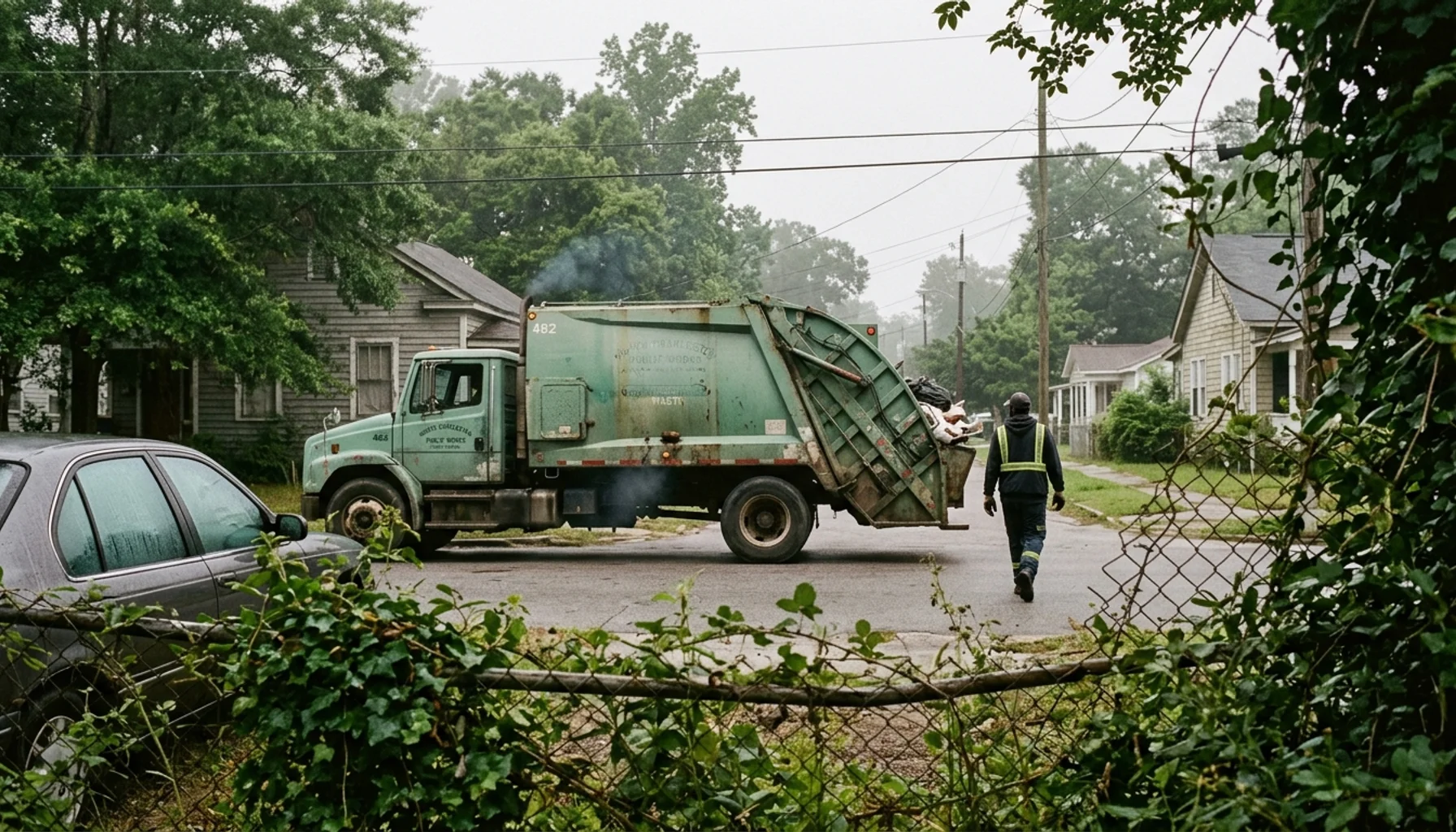
Allied Waste Industries was a Fortune 500 solid waste collection company based in Phoenix, Arizona, that merged into Republic Services, Inc. in 2008 in a deal valued at $6.1 billion. The combined company kept the Republic Services name and became the second largest non-hazardous solid waste company in the United States, a position it still holds heading into 2026.
- Allied Waste Industries was acquired by Republic Services on June 23, 2008 for $6.1 billion, according to merger disclosures filed by Republic Services.
- Before the merger, Allied Waste served more than 10 million residential, commercial, and industrial customers across 128 major markets in 37 states and Puerto Rico.
- Allied Waste's 1999 acquisition of Browning-Ferris Industries (BFI) pushed its annual revenue past $5 billion and its total assets to nearly $14 billion.
- Allied Waste Industries reported 2007 revenue of $6.1 billion and employed more than 22,000 people just before the Republic Services merger closed.
- The national consolidation story behind Allied Waste is very different from how local waste service actually works today: in the Charleston, SC market, residents and property managers deal with municipal fee structures, private valet trash providers, and portfolio-scale waste operations that a national holding company's history doesn't explain.
Property managers and homeowners searching for "Allied Waste" today are usually trying to figure out one of two things: what happened to the company's legacy accounts, or how national consolidation in the waste industry affects the service options available to them locally. Both questions matter more in 2026 than they did a decade ago, since Charleston-area multifamily communities, build-to-rent developments, and short-term rental portfolios increasingly rely on private valet trash providers rather than waiting on municipal pickup schedules.
At Trash Day Made Easy, we field questions from property managers across North Charleston, Mount Pleasant, and Daniel Island who assume the waste management industry still works the way it did when Allied Waste operated as an independent Fortune 500 company. It doesn't. Consolidation reshaped who owns the trucks and landfills, but it did nothing to solve the doorstep-level problem property managers actually deal with: getting trash out of hallways and breezeways every single night without babysitting the process.
This guide walks through Allied Waste's history, its acquisitions, the Republic Services merger, and how that corporate consolidation compares to the kind of nightly, photo-verified valet trash service that Charleston and Atlanta-area properties need today.
Who Is Allied Waste?
Allied Waste Industries, Inc. was a publicly traded, vertically integrated solid waste management company headquartered in Phoenix, Arizona, that owned and operated collection routes, recycling facilities, and landfills across the United States. The company was incorporated in 1987 and grew, primarily through acquisitions, into one of the largest waste haulers in the country before merging into Republic Services in 2008.
At its peak, Allied Waste operated across 128 major markets in 37 states and Puerto Rico, according to industry profiles cited in SEC filings. One industrial profile lists the company's asset base at 355 collection companies, 181 transfer stations, 167 landfills, and 65 recycling facilities. That footprint made Allied Waste a genuinely national operator, not a regional hauler.
Allied Waste's principal executive offices moved over time. An SEC filing lists an early address at 15880 North Greenway-Hayden Loop in Scottsdale, Arizona, while a later filing lists the company at 18500 North Allied Way in Phoenix. That corporate address change reflects the company's growth phase in the years surrounding its BFI acquisition.
The key point for anyone researching the company in 2026: Allied Waste no longer operates as an independent business. Its assets, routes, and customer contracts were absorbed into Republic Services after the 2008 merger, which is why searches for "Allied Waste" today often lead consumers to a Republic Services account transition rather than an active company.
What Happened to Allied Waste?
Allied Waste stopped existing as an independent public company on June 23, 2008, when Republic Services completed its acquisition of the business for $6.1 billion. The merged entity retained the Republic Services name and brand going forward, while absorbing Allied Waste's collection routes, landfills, and recycling facilities into its own operating network.
The deal was structured as a stock-for-stock combination. According to the merger disclosure filed by Republic Services, the transaction created a company with expected pro forma annual revenues of approximately $9 billion and an estimated combined market capitalization near $12 billion at the time of closing. Allied Waste's final full year of standalone revenue, reported in 2007, was $6.1 billion.
For customers, the practical effect was gradual rather than immediate. Billing, trucks, and service contracts transitioned over a period of months as Republic Services integrated Allied Waste's local operations market by market. Some municipal contracts and commercial accounts carried the Allied Waste name on invoices and equipment for a period after the merger closed, which is why the brand still generates search traffic in 2026, nearly two decades later.
This kind of large-scale consolidation is common in the national waste industry, but it rarely improves the day-to-day experience for a property manager dealing with an overflowing dumpster on a Friday night. That gap between corporate scale and doorstep-level service reliability is exactly the problem a locally based valet trash provider is built to solve.
Who Bought Allied Waste?
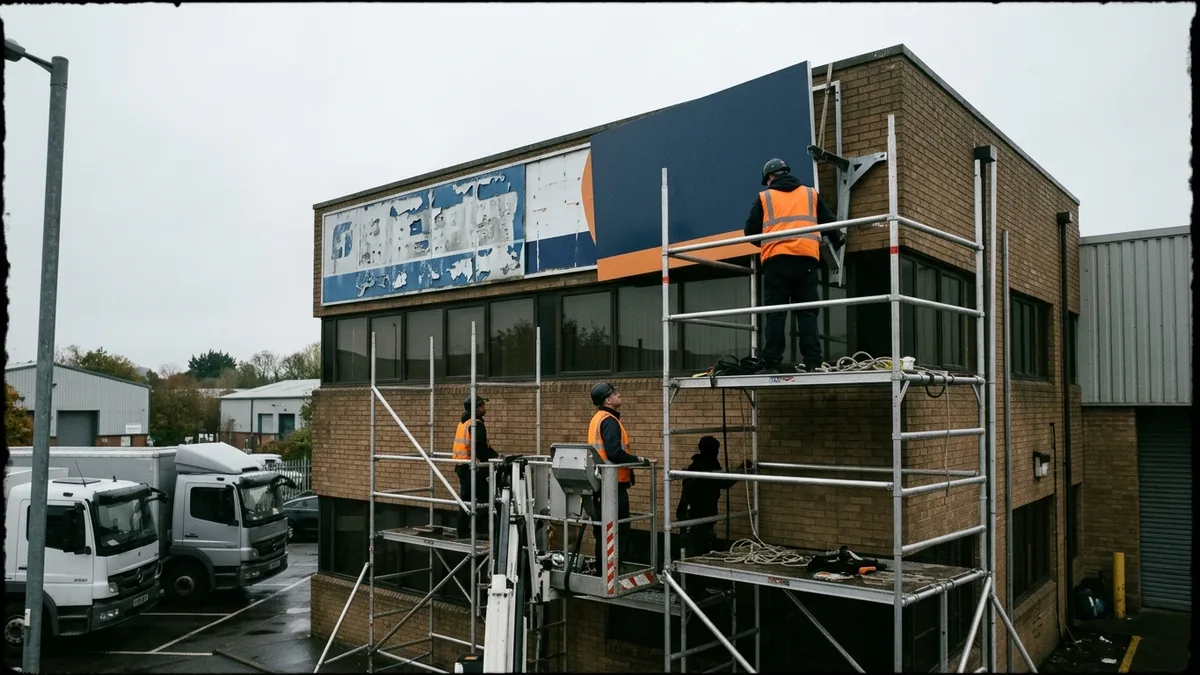
Republic Services, Inc. bought Allied Waste Industries in a deal announced in 2008 and completed on June 23 of that year, for a total transaction value of $6.1 billion. Republic Services was the acquiring company, and the combined organization operated under the Republic Services name going forward rather than adopting the Allied Waste brand.
Before the acquisition, Republic Services was itself a large national waste hauler, but the Allied Waste deal roughly doubled its scale overnight. The Republic Services investor relations page confirms the company retained Allied Waste-related subsidiaries and operating entities as part of its post-merger structure, some of which still appear in state business filings today.
It's worth noting this wasn't Allied Waste's first major acquisition; it was the acquisition that ended Allied Waste's run as an independent buyer. In 1999, Allied Waste had been the one doing the acquiring, purchasing Houston-based Browning-Ferris Industries in a deal that required regulatory review, as documented in a Justice Department press release on the BFI acquisition. That 1999 deal made Allied Waste the second largest non-hazardous solid waste company in the U.S. at the time, a position it held until the 2008 Republic Services merger folded it into an even larger combined entity.
Regulatory scrutiny wasn't limited to the BFI deal. A Justice Department settlement involving Allied Waste Industries from 2007 addressed antitrust concerns tied to the company's market consolidation practices, a reminder that rapid national roll-up strategies in waste management have historically drawn federal attention. That regulatory history is part of why waste industry consolidation moves carefully today, even as smart waste technology adoption accelerates.
What Are the Top Waste Management Companies Today?
The U.S. non-hazardous solid waste industry in 2026 is dominated by a small number of large national haulers, led by Waste Management, Inc. and Republic Services, Inc., the company that absorbed Allied Waste Industries in 2008. These two companies control the majority of landfill capacity and collection routes in most major U.S. metro areas, a structure that traces directly back to the wave of consolidation Allied Waste was part of in the late 1990s and 2000s.
Waste Management and Republic Services operate primarily at the municipal and industrial hauling level: they run the trucks that empty dumpsters, operate landfills, and hold city contracts for curbside pickup. That's a fundamentally different business than the doorstep-level valet trash service that multifamily communities, build-to-rent developments, and short-term rental portfolios need in markets like Charleston and Atlanta.
Here's the distinction most articles about the "top waste management companies" miss: national hauling scale doesn't translate into doorstep accountability. A property manager in the Rivers Avenue corridor doesn't need a company with landfills in 37 states. They need a crew that shows up every night, photographs each stop, and gives them documented proof service happened, without a follow-up phone call.
That's the gap Trash Day Made Easy was built to close. As a North Charleston-based valet trash and waste operations company, we don't compete with Republic Services or Waste Management on landfill capacity. We compete on nightly reliability at the door, which is the layer of service national consolidation was never designed to fix.
How Does National Waste Industry Consolidation Compare to Local Valet Trash Service?
National waste industry consolidation, the kind that turned Allied Waste into a subsidiary of Republic Services, addresses ownership of trucks, landfills, and municipal contracts. It does nothing to solve the specific operational problem of getting trash from a resident's door to a dumpster every night. Those are two different layers of the waste management business, and conflating them is where a lot of property managers get confused when comparing service options.
Municipal and industrial haulers, including the companies that trace their lineage back to Allied Waste's legacy accounts, typically service dumpsters and compactors on a fixed weekly schedule set by the hauler, not the property. According to Charleston County Environmental Management, the county's Solid Waste User Fee structure charges single-family residences $99 per year and multi-family units $70 per unit per year, based on average annual tonnage, with commercial accounts billed separately at $172 per cubic yard calculated from a $66 per ton tipping rate. Those fees fund municipal collection infrastructure, not doorstep service.
Doorstep-level valet trash service is a private, amenity-grade layer added on top of that municipal infrastructure. It solves a problem municipal pickup was never designed to address: getting bagged trash from an individual unit door to the community dumpster on a nightly basis, verified with photo documentation. That's the specific service category Trash Day Made Easy operates in, and it's the reason we get called into properties that already have functioning dumpster service from a national hauler but still have hallways full of trash bags every morning.
| Service Layer | Who Provides It | What It Covers | Typical Schedule |
|---|---|---|---|
| Municipal/industrial hauling | City sanitation, Republic Services, Waste Management | Dumpster and compactor emptying, landfill disposal | Weekly or biweekly, fixed route |
| Trash valet service | Trash Day Made Easy | Doorstep-to-dumpster collection at each unit | Nightly, scheduled |
| Trash can concierge | Trash Day Made Easy | Backdoor-to-curbside bin management for HOAs and homeowners | On collection day, no resident action |
| Bulk item and turnover removal | Trash Day Made Easy | Move-out debris, furniture, make-ready cleanup | On-demand |
What Should Property Managers Look for in a Waste Service Provider in 2026?
Property managers evaluating waste service options in 2026 should prioritize documented service verification, nightly or flexible scheduling, and the ability to scale across an entire portfolio without changing vendors as the property count grows. National scale, the kind Allied Waste once had before its Republic Services merger, matters far less at the doorstep level than local responsiveness and proof of completion.
Based on what we see across multifamily and build-to-rent portfolios in North Charleston, Mount Pleasant, James Island, and Daniel Island, the property managers who switch providers most often are the ones stuck with a vendor that can't answer a simple question: did service actually happen at every unit last night? Photo-verified valet trash removes that guesswork entirely.
Here's a practical checklist for evaluating any waste service provider, whether you're comparing a national hauler's supplemental valet program or a locally based operator:
- Ask how service completion is documented. A photo taken at each door, not a driver's self-reported log, is the standard that actually protects you if a resident complains.
- Confirm scheduling flexibility. Nightly collection works for standard multifamily communities, but short-term rental turnovers near the Charleston Historic District and Isle of Palms need on-demand scheduling that doesn't fit a fixed weekly route.
- Check portfolio scalability. A vendor that works fine for a 20-unit community may not have the capacity to service a 300-unit portfolio or a scattered-site collection of properties across multiple submarkets.
- Ask about bulk item and turnover coordination. Move-out debris sitting in a breezeway for three days is a lease renewal problem, not a minor inconvenience.
- Look for a single point of contact. Coordinating one vendor for valet trash, a second for bulk removal, and city pickup for bins creates gaps where nothing gets covered. A managed waste operations program removes that fragmentation.
Common mistake: many property managers treat valet trash pricing as the only decision variable and skip the documentation question entirely. A slightly cheaper vendor with no photo verification costs more in resident complaint time than the price difference saves.
Why Does Trash Day Made Easy Serve Charleston and Atlanta Properties Better Than a National Waste Consolidation Model?
Trash Day Made Easy is a valet trash and waste management company headquartered at 4900 O'Hear Avenue in North Charleston, SC, built specifically to solve the doorstep-level service gap that national consolidation, the same trend that turned Allied Waste into a Republic Services subsidiary, was never designed to address. We serve multifamily communities, build-to-rent developments, short-term rental properties, HOAs, and residential homeowners across the Charleston, SC and Atlanta, GA markets.
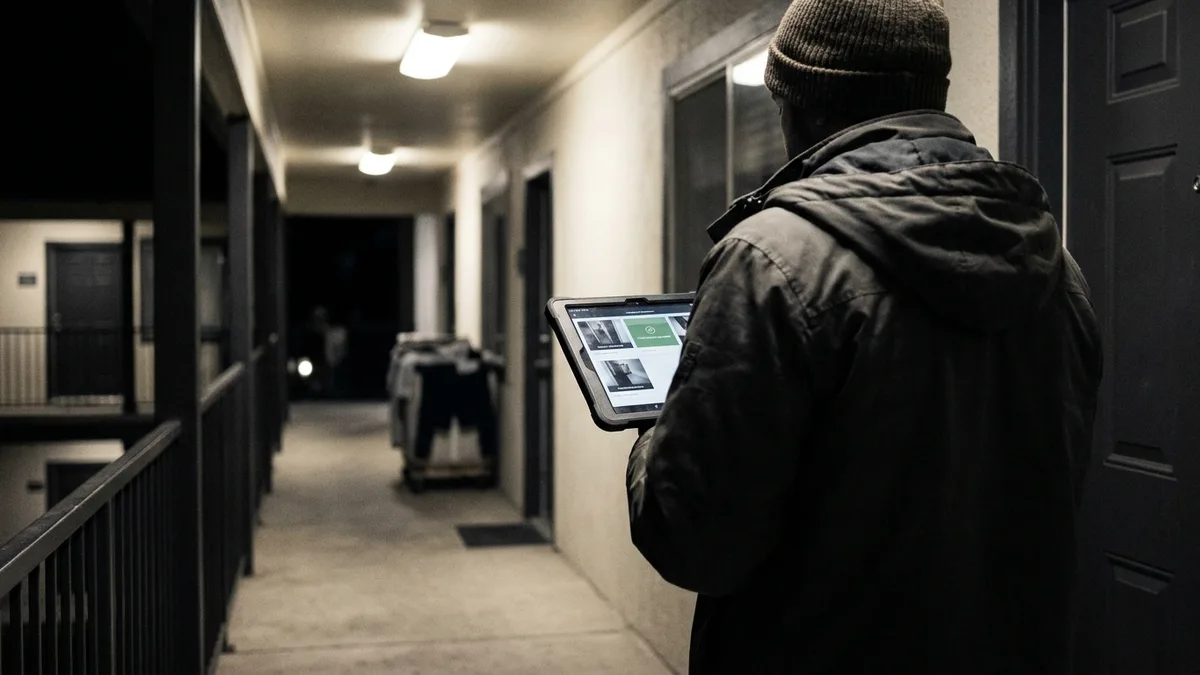
Our core service is doorstep-to-dumpster valet trash collection, run on a nightly schedule and photo-verified at every unit. Property managers near the Rivers Avenue corridor, where high-volume apartment communities depend on operational efficiency to protect NOI, get documented confirmation in their inbox without ever needing to follow up or issue a reminder. That's a fundamentally different accountability model than the fixed-route dumpster service a national hauler provides.
For build-to-rent developers near Daniel Island and the airport corridor, we offer backdoor-to-curbside trash can concierge service that removes the enforcement burden HOA boards and community managers usually carry. Bins move from storage to curb and back, automatically, with no resident compliance required. For short-term rental operators managing turnover near Sullivan's Island and the Charleston Historic District, our on-demand trash removal and bulk item service integrates directly into cleaning and make-ready timelines, so a missed pickup never turns into a bad guest review.
What makes Trash Day Made Easy different from both the legacy of companies like Allied Waste and current national providers is scale flexibility without losing local accountability. We're purpose-built to serve portfolios ranging from 10 units to more than 1,000, maintaining the same photo-verified standard across every property in a portfolio, whether that portfolio sits entirely in North Charleston or spans multiple submarkets across Charleston and Atlanta. We also handle bulk item removal and move-in/move-out support, which matters most during peak turnover season when a single abandoned sofa can push a make-ready timeline back by a full day.
Residential homeowners in select Charleston neighborhoods can access valet trash service starting from $49 per month, and we partner with The Bin Boy, a Charleston-based bin cleaning and sanitizing service, to extend a complete waste care solution beyond just collection. Other options exist in the local market, including national and regional valet trash providers, but they typically don't combine nightly photo verification with the full range of bulk, turnover, and on-demand services under one vendor relationship. Quotes are available Monday through Friday for every property type we serve.
What Environmental and Sustainability Trends Matter for Waste Management in 2026?
Smart waste management technology, including IoT-enabled bins and AI-powered collection routing, is reshaping how municipalities and private waste operators plan service in 2026. The global smart waste management market was valued at $2.2 billion in 2023 and is projected to reach $8.3 billion by 2032, according to Allied Market Research, reflecting a 15.6% compound annual growth rate.
North America held approximately 38% of global smart waste management market revenue in 2026, making it the largest regional market for this technology. Cloud-based deployment models accounted for 61% of market share in 2026 and are growing at more than 21% annually, a signal that waste operators of every size, from Republic Services down to regional valet trash providers, are shifting toward data-driven service verification rather than manual logs.
Specifically, IoT-enabled smart bins with fill-level sensors and AI-powered routing have been documented to reduce collection vehicle kilometers traveled by up to 25%, cutting diesel consumption by roughly 10%. Solar-compacting smart bins reduced collection pickups by more than 80% in cities like New York and Boston, a municipal cost-reduction benchmark that private operators are starting to apply at the property level.
For property managers thinking about sustainability commitments, this trend matters beyond the environmental angle. Charleston County's own recycling program transitioned to single-stream collection and expanded from four to five collection days per week starting June 6, 2022, according to Charleston County Environmental Management, simplifying resident participation. As a result, waste programs that pair reliable, photo-documented service with clear recycling participation are becoming a genuine amenity differentiator, not just a compliance checkbox, for communities competing on resident retention in 2026.
What Regulatory and Compliance Details Should Charleston Properties Know?
Charleston-area waste service is governed by a mix of municipal ordinances and Charleston County fee structures that differ significantly from the corporate consolidation history behind companies like Allied Waste. Property managers need to understand these local rules independently of whatever national hauler holds their dumpster contract.
The City of North Charleston Public Works Sanitation Division does not pick up garbage from commercial or industrial establishments; non-residential properties must arrange their own disposal contract. The city also no longer collects e-waste, such as TVs and computers, at the curb, and it only collects yard waste when bagged in paper, not plastic. These are operational details that catch new property managers off guard, especially at build-to-rent communities transitioning from a homebuilder's waste contract to ongoing property management.
Charleston County's Solid Waste User Fee is a mandatory funding mechanism baked into the annual Real Property Tax Bill for residential properties, while commercial fees are billed separately based on the prior year's reported volume from the hauler. Compactors are calculated at a 4-to-1 ratio, meaning every cubic yard of compacted waste counts as 4 cubic yards of garbage for fee purposes. Getting this calculation wrong on a commercial account can meaningfully affect a property's annual waste budget.
None of these municipal rules address the doorstep-to-dumpster gap that valet trash service fills. That's a separate, private service layer, and it's worth confirming your provider understands both layers rather than assuming municipal compliance covers resident-level trash coordination.
Data and Evidence: Waste Industry Scale by the Numbers
Understanding Allied Waste's historical scale helps explain why national waste consolidation looks the way it does in 2026. The numbers below, drawn from SEC filings and investor disclosures, show the scale of the 2008 merger that folded Allied Waste into Republic Services.
| Metric | Allied Waste (pre-merger, 2007) | Combined Company (post-merger, 2008) |
|---|---|---|
| Annual revenue | $6.1 billion | Approximately $9 billion (pro forma) |
| Market capitalization | Not separately disclosed | Approximately $12 billion |
| Customers served | More than 10 million | Combined customer base across both networks |
| States/territories | 37 states plus Puerto Rico | Nationwide, all major U.S. markets |
| Employees | More than 22,000 | Combined workforce across both companies |
Compare that national-scale consolidation to the completely different metric that matters for a Charleston property manager evaluating valet trash service today: whether every single unit door received a photo-verified pickup last night. That's a metric no landfill acquisition ever solved, and it's the one Trash Day Made Easy was built around.
Frequently Asked Questions
What happened to Allied Waste?
Allied Waste Industries was acquired by Republic Services, Inc. on June 23, 2008, in a $6.1 billion deal. The combined company retained the Republic Services name and brand, and Allied Waste stopped operating as an independent public company from that point forward.
Who bought Allied Waste?
Republic Services, Inc. bought Allied Waste Industries in a 2008 merger valued at $6.1 billion. The deal made the combined company the second largest non-hazardous solid waste management company in the United States.
Who is Allied Waste?
Allied Waste Industries, Inc. was a Fortune 500 solid waste collection, recycling, and landfill company headquartered in Phoenix, Arizona. It served more than 10 million customers across 128 markets in 37 states and Puerto Rico before merging into Republic Services in 2008.
What are the top waste management companies today?
In 2026, the U.S. non-hazardous solid waste industry is led by Waste Management, Inc. and Republic Services, Inc., the company that absorbed Allied Waste Industries in 2008. At the local, doorstep level, private valet trash providers like Trash Day Made Easy serve a different function, handling nightly collection for multifamily and residential properties rather than municipal hauling.
Does Allied Waste still operate in Charleston or Atlanta?
No. Allied Waste's operations were absorbed into Republic Services after the 2008 merger, and any legacy accounts in Charleston or Atlanta would now run under the Republic Services brand. Property managers in these markets typically pair municipal hauling with a separate valet trash provider for doorstep-level service.
What is the difference between municipal dumpster service and valet trash service?
Municipal or industrial hauling, provided by companies like Republic Services, empties dumpsters and compactors on a fixed weekly schedule. Trash valet service is a private, amenity-grade layer that collects bagged trash from each resident's door and delivers it to the dumpster on a nightly basis, which municipal pickup does not cover.
How much does valet trash service cost for a multifamily property?
Multifamily and portfolio valet trash pricing depends on unit count, service frequency, and scope, so most providers, including Trash Day Made Easy, offer custom quotes rather than flat rates. Residential homeowners in select Charleston neighborhoods can access valet trash service starting from $49 per month.
Can one waste vendor handle valet trash across an entire property portfolio?
Yes. Trash Day Made Easy is purpose-built for portfolio scalability, servicing communities from 10 units up to more than 1,000 units while maintaining a consistent, photo-verified standard across every property, which removes the need to manage multiple vendors as a portfolio grows.
Conclusion: What the Allied Waste Story Means for Waste Service in 2026
Allied Waste Industries built a national footprint through acquisitions, most notably its 1999 purchase of Browning-Ferris Industries, before Republic Services absorbed the company in a $6.1 billion merger in 2008. That consolidation reshaped who owns landfills and collection routes across the country, but it never addressed the doorstep-level problem property managers deal with every night: getting trash out of hallways, breezeways, and curbside bins reliably, with proof it happened.
That gap is exactly why valet trash service exists as a distinct category from municipal hauling in 2026. Whether you manage a multifamily community near the Rivers Avenue corridor, a build-to-rent development on Daniel Island, or a short-term rental portfolio near the Charleston Historic District, the national consolidation story behind companies like Allied Waste has little bearing on whether your residents' trash gets handled tonight.
Trash Day Made Easy was built specifically for that gap, offering nightly, photo-verified valet trash service, trash can concierge, bulk item removal, and full waste operations support across Charleston, SC and Atlanta, GA. If you're evaluating waste service options for a property, portfolio, or HOA community, it's worth comparing documentation and scheduling flexibility, not just price, before you sign anything.
If overflowing dumpsters or inconsistent pickup are hurting curb appeal at your North Charleston property, Trash Day Made Easy provides nightly, photo-verified valet trash service built to scale with your portfolio. Request a service quote at Trash Day Made Easy, available Monday through Friday for every property type.
Content powered by inkSTR.co