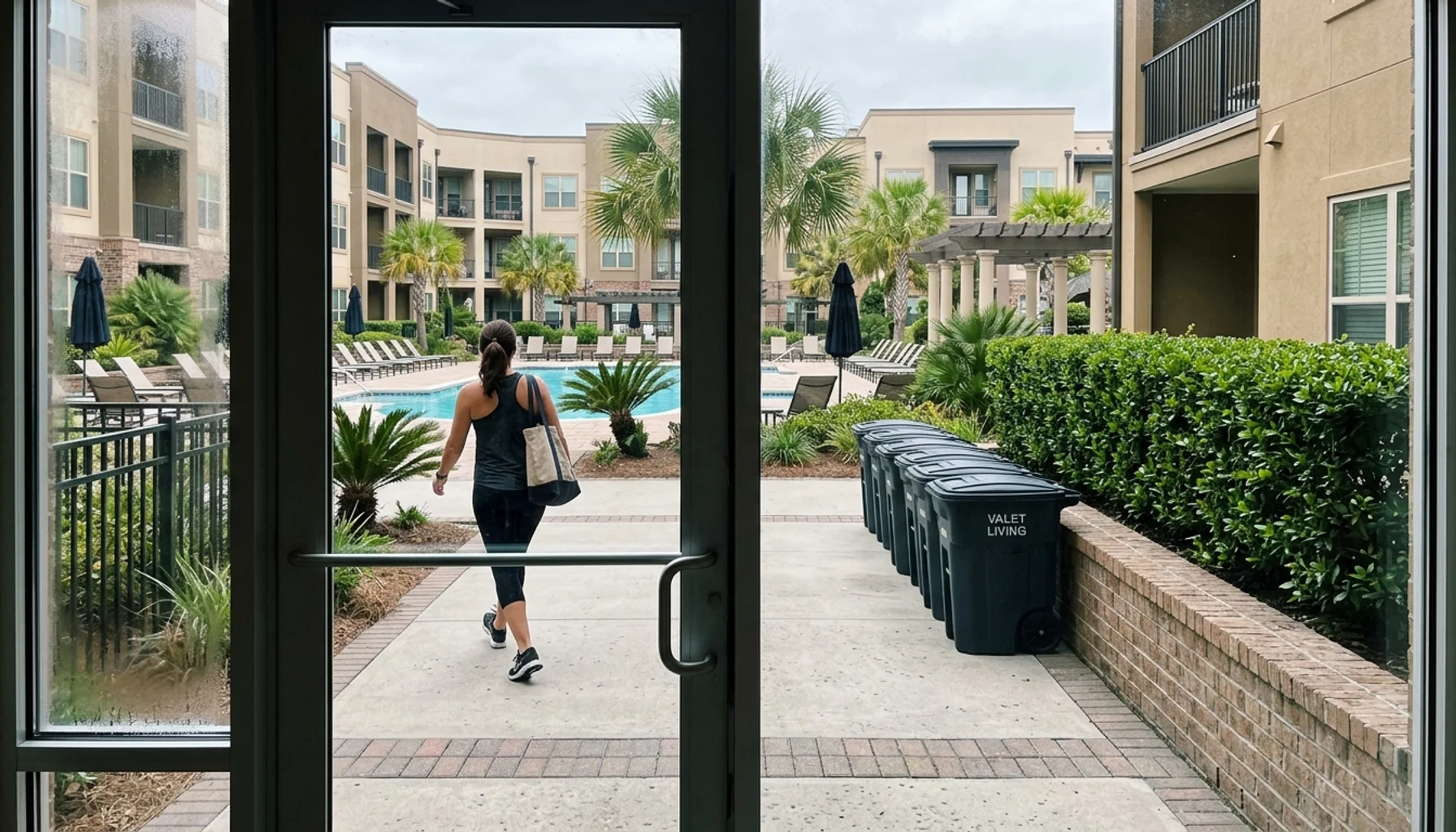
Amenity grade resident experience matters for apartment retention because it directly shapes whether a renter feels a lease renewal is worth the cost. Industry research shows 75% of residents consider amenities a key factor in renewing, and multifamily retention averaged 57% in 2026, down from 60% two years earlier, meaning roughly 43% of units now turn over annually.
Key Takeaways
- Industry research finds 75% of residents rank amenities among the top factors in a lease renewal decision, and amenity grade resident experience covers reliability and service quality, not just physical features.
- Average multifamily retention fell to 57% in 2026 from 60% in 2026, according to industry research, pushing turnover closer to 43% of units per year.
- Valet trash and doorstep waste service can lift resident retention by up to 5%, based on published industry research on valet trash services and property ROI.
- Renters ranked maintenance response (47%), security (46%), and community appearance (34%) as top drivers of a positive resident experience, per industry survey data.
- A mid-sized Austin apartment community reported a 30% jump in resident satisfaction tied to cleanliness improvements after adopting valet trash software, according to Valet Hero Blog (2026).
- North Charleston's apartment vacancy rate sat at 9.2% in Q1 2023, per HUD data, a market condition that makes retaining existing residents cheaper than chasing new leases.
If you manage a multifamily community in North Charleston, Mount Pleasant, or anywhere along the Rivers Avenue corridor, you already know renewal season brings a familiar question from ownership: why did that resident leave? The honest answer is rarely the rent increase alone. It's usually a string of small friction points, an overflowing dumpster near the leasing office, a maintenance ticket that sat open, a hallway that smelled like last week's trash, that add up to a resident who decides the grass looks greener somewhere else.
Amenity grade resident experience is the term the multifamily industry uses for the difference between having an amenity and having one that actually performs at the standard residents expect when they signed the lease. A pool that's closed for repairs half the summer isn't an amenity anymore; it's a broken promise. A trash valet program that skips units twice a month isn't a convenience; it's a source of complaints. In 2026, with retention rates tightening across the Charleston and Atlanta markets, understanding this distinction is not optional for anyone responsible for occupancy.
At Trash Day Made Easy, we service multifamily communities and build-to-rent portfolios across Charleston, North Charleston, and Atlanta, and we see this pattern play out on nearly every property we onboard. This guide breaks down what amenity grade experience actually means, why it moves the needle on lease renewals more than most operators expect, and how to measure whether your community is delivering it or just claiming it.
What Does Amenity Mean in Housing?
An amenity in housing refers to any feature, service, or shared space a rental community provides beyond the four walls of the unit itself, intended to add convenience, comfort, or lifestyle value for residents. In multifamily housing, amenities range from physical infrastructure like pools and fitness centers to service-based offerings like package lockers and doorstep waste collection.
The distinction that matters for retention is between an amenity's existence and its amenity grade, meaning its consistency, cleanliness, accessibility, and reliability over time. A community can list a fitness center in its marketing materials, but if the equipment is broken or the hours are inconvenient for shift workers, the amenity technically exists without delivering value. According to industry guidance on amenity benchmarking, comparing units within the same property, rather than across the broader market, produces a more accurate picture of whether an amenity is actually influencing lease-up speed or renewal behavior.
For property managers in North Charleston or Daniel Island evaluating what to invest in next, the question isn't "do we have this amenity." It's "does this amenity perform the way residents expect every single day." That reframing is the foundation of amenity grade thinking, and it applies as much to a valet trash program as it does to a rooftop deck.
What Are Considered Amenities in an Apartment?
Considered amenities in an apartment community include both unit-level features (in-unit washer and dryer, stainless appliances, walk-in closets) and community-level shared resources (fitness centers, pools, clubhouses, package rooms, and waste management services). Both categories influence a resident's day-to-day experience, but they carry different weight depending on the resident's life stage and the property type.
Research from an academic thesis on resident satisfaction ranked the community pool, fitness center, and laundry center as the three most important amenities influencing lease renewal decisions, with the pool ranking first specifically for new-unit rental decisions. The same research found that laundry facilities, clubhouses, and outdoor grilling areas influenced both renewal and new-lease decisions, suggesting these are dual-purpose amenities worth prioritizing in capital planning. Beyond the traditional list, service-based amenities have become just as important as physical ones. Doorstep trash valet service, backdoor-to-curbside bin management, and on-demand bulk item removal all fall under this category, and they solve a daily friction point that a pool or fitness center never touches: what happens to the resident's trash every single night.
Here's the practical distinction we see most often across the portfolios we service: physical amenities create the initial lease decision, but service-based amenities like nightly waste collection influence the day-to-day satisfaction that determines whether a resident renews twelve months later.
What Are Some Examples of Amenities Found in Apartments?
Examples of amenities found in apartments span five broad categories: recreational (pools, fitness centers, dog parks), convenience (package lockers, valet trash, covered parking), technology (smart locks, resident portals, high-speed Wi-Fi), social (clubhouses, coworking lounges, resident events), and safety (gated access, security patrols, well-lit walkways). For context on which categories residents weigh most heavily, survey data from industry research found renters ranked maintenance response at 47%, security at 46%, and community appearance at 34% as the most important aspects of their overall living experience. Notably, none of these are single "amenities" in the traditional sense; they're operational categories that touch nearly every amenity a community offers.
This is where waste management sits squarely inside the "community appearance" bucket. An overflowing dumpster near the leasing office or a hallway lined with trash bags on a Tuesday morning undoes the visual impression a community worked hard to build with landscaping and clean common areas. In the communities we service near the airport corridor and Daniel Island, nightly doorstep collection with photo verification keeps hallways and dumpster corrals looking the way they did on move-in day, every single day, not just when a corporate visit is scheduled.
Smart package lockers are another example worth calling out specifically. Research from some providers found that 69% of residents consider parcel security important, and nearly 90% of residents who have access to smart lockers use them weekly. That level of usage frequency makes package infrastructure one of the highest-engagement amenities in a modern community, right alongside daily waste service.
What Does Amenity Fee Mean for Apartments?
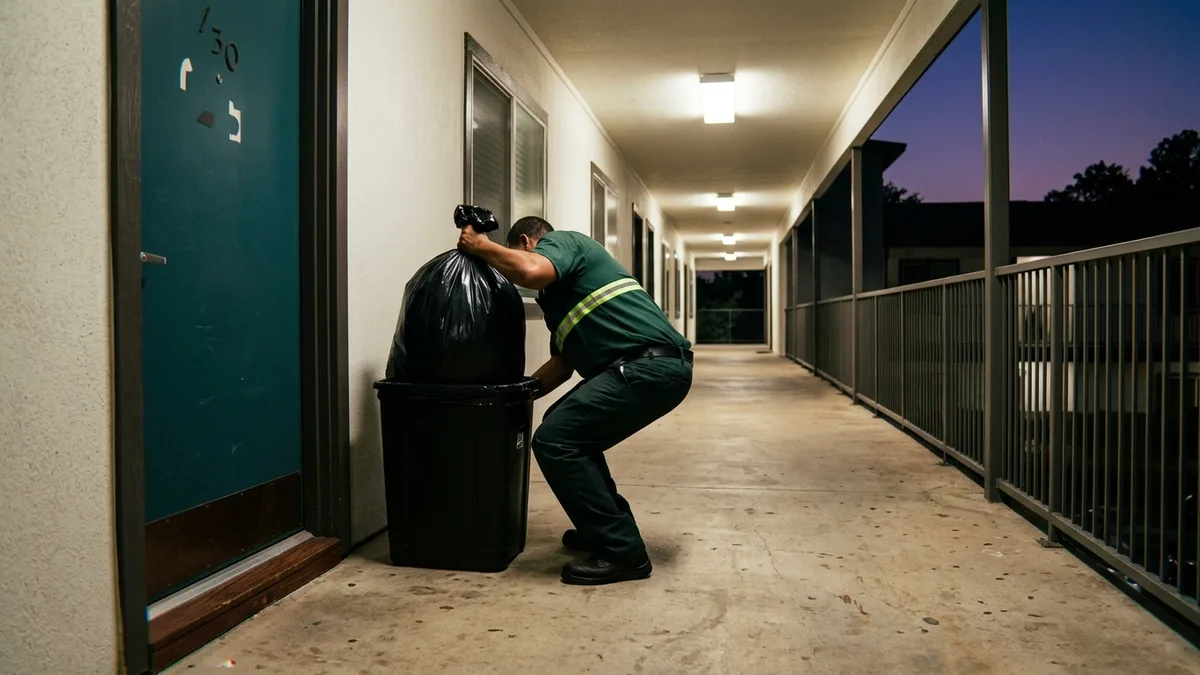
An amenity fee is a recurring or one-time charge that multifamily communities add to a resident's monthly rent or move-in costs to cover the maintenance, staffing, or access costs associated with shared amenities. Unlike a security deposit, an amenity fee is typically non-refundable and functions as a standing cost of living in a community with enhanced services. Amenity fees commonly bundle together services like trash valet, pest control, package handling, and common area maintenance into a single monthly line item, rather than billing each service separately. From an operations standpoint, this bundling makes sense: it simplifies resident billing and gives property managers a predictable revenue stream to fund service contracts. But it also raises the stakes on delivery. When a resident pays an amenity fee every month, they expect every bundled service, including waste collection, to show up reliably. A missed valet trash pickup two nights in a row after a resident has paid an amenity fee generates a very different, angrier complaint than the same miss at a property with no fee at all. For property managers structuring or auditing an amenity fee, the practical guidance is straightforward: only bundle services you can consistently deliver at scale. A single missed valet trash night at a 250-unit community can generate dozens of complaints in one evening if the collection crew skips a building. This is exactly why we built Trash Day Made Easy's service around photo verification at every door, so property managers have documented proof the amenity fee residents are paying for is actually being delivered, night after night.
Why Does Amenity Grade Matter More Than Amenity Count for Retention?
Amenity grade matters more than amenity count because a resident's renewal decision is driven by whether promised services actually function, not by how many amenities appear on a property's marketing page. A community with five reliable amenities will consistently outperform a community with twelve inconsistent ones when it comes to lease renewal rates. Industry research from 2026 reported that average multifamily retention dropped to 57%, down from 60% in 2026, which translates to roughly 43% of units requiring turnover processing in a single year. Turnover at that scale is expensive: vacant days, marketing spend, concessions, and make-ready costs including bulk item removal all stack up per unit. The same research found that 31% of renters would be much more likely to renew if their community offered a renter rewards program, and that renters typically begin reconsidering renewal once rent increases hit around 8%. What this tells property managers in Charleston and Atlanta is that amenity reliability functions as a retention lever separate from rent pricing. A resident facing an 8% increase who has never once had to think about their trash, never dealt with a broken gym key fob, and never chased down a package is measurably more likely to accept the increase than a resident who has spent the year fighting small service failures. Consistency compounds. One good amenity delivered flawlessly every day beats three amenities delivered inconsistently.
How Do You Measure Whether an Amenity Is Actually Working?
Measuring amenity performance requires connecting individual amenities to renewal outcomes through a specific set of operational data points: utilization rates, resident satisfaction scores, maintenance work orders, complaint volume, and renewal rates segmented by building or floor. Without this connection, property managers are guessing at what to invest in next. Most competitor content on resident experience stops at listing amenities residents value. It rarely explains how to actually verify an amenity is performing. Here's a practical framework based on what we track across the portfolios we service:
| Measurement Signal | What It Tells You | Action Trigger |
|---|---|---|
| Utilization rate | Whether residents actually use the amenity (gym check-ins, package locker scans, valet trash participation) | Low usage despite marketing spend signals accessibility or awareness gaps |
| Maintenance work orders tied to the amenity | Frequency of breakdowns, cleanliness complaints, or repair delays | Repeated tickets on the same amenity within 30 days signals a vendor or equipment problem |
| Complaint volume by category | Which amenities generate the most resident frustration | Waste, security, and maintenance complaints should be tracked separately since they carry the highest renewal weight |
| Renewal rate by building or unit cohort | Whether amenity access correlates with higher renewal in specific buildings | Buildings near a poorly maintained amenity showing lower renewal than buildings farther away signals a direct link |
| Move-out survey responses | Direct resident feedback on why they left | Recurring mentions of a specific amenity failure should trigger a vendor review |
Notably, waste management is one of the easiest amenities to measure because service completion is binary: either the unit's trash was collected on schedule or it wasn't. This is why photo-verified valet trash service has an advantage over self-reported vendor logs. A property manager reviewing a dashboard of timestamped photos doesn't have to take a vendor's word for it; the documentation exists independently and can be cross-referenced against complaint tickets.

How Do Amenities Connect to Turnover Costs and the Business Case for Retention?
Amenity grade resident experience connects to turnover costs because every unit that fails to renew triggers a chain of expenses: vacancy loss, make-ready labor, marketing spend, leasing commissions, and often bulk item removal from move-out debris left behind. Comparing the cost of maintaining a strong amenity experience against the cost of replacing a departed resident is the business case ownership groups care about most. With retention averaging 57% in 2026 per industry research, a 300-unit community is looking at roughly 129 unit turnovers annually if it tracks the industry average. Each of those turnovers carries direct costs (marketing, cleaning, potential concessions) and indirect costs (staff time coordinating vendors, delayed re-leasing while a unit sits vacant). Improving amenity grade experience even modestly, closing the gap between "amenity exists" and "amenity performs," reduces that turnover count without requiring a rent decrease or major capital project. Valet trash service specifically has documented retention value: published industry research on valet trash services and property ROI found the service can increase resident retention rates by up to 5%. On a 300-unit property, a 5% retention improvement means roughly 15 fewer turnovers per year, each one avoiding vacancy loss, marketing spend, and make-ready costs. That's the kind of math that gets a waste management line item approved by an asset manager who has never walked a breezeway. For build-to-rent developers near Daniel Island and the airport corridor specifically, this math matters even more because BTR investors scrutinize resident retention as a core performance metric in quarterly reporting. A consistent, photo-verified waste operations program isn't a nice-to-have amenity; it's a documented input into the retention number investors see every quarter.
What Are the 6 Components of a Great Resident Experience?
A great resident experience is built from six operational components: responsive maintenance, visible security and safety measures, consistent community cleanliness, convenient technology-enabled services, genuine social connection opportunities, and reliable staff communication. Each component touches a different part of the resident's daily routine, and neglecting any one of them undermines the others.
- Responsive maintenance: Renters ranked maintenance response as the top factor in overall satisfaction at 47%, according to industry survey data. A slow work order response undermines even the best physical amenities.
- Visible security: Security ranked second at 46% in the same survey. Well-lit walkways, functioning gate access, and visible presence all contribute here.
- Community cleanliness: Ranked third at 34%, this is where waste management, landscaping, and common area upkeep live. A clean breezeway and a functioning dumpster corral do more for perceived property value than most residents realize.
- Convenient technology: Resident portals, smart locks, and package lockers reduce daily friction. Research from some providers found nearly 90% weekly usage among residents with smart locker access, showing how deeply technology-enabled convenience gets woven into daily routines.
- Social connection: A national renter survey found 67% of renters would prefer a building offering services that help them connect with the surrounding neighborhood, and partnering communities saw a reported 17% increase in resident retention.
- Staff communication: Industry research found caring staff ranked as the second most important factor residents weigh when selecting an apartment, right behind amenities themselves at 79%.
Notice that waste management touches at least three of these six components directly: cleanliness (obviously), maintenance (fewer emergency calls about overflowing dumpsters), and staff communication (fewer resident complaints means staff time goes toward proactive engagement instead of firefighting). This is the operational leverage a well-run valet trash program provides that isn't obvious from a single line item on a budget sheet.
What Is the Resident Lifecycle Approach to Amenity Experience?
The resident lifecycle approach treats amenity grade experience as something that must perform consistently across every stage of a resident's tenancy, not just at move-in when the community is showing its best face. The stages include move-in, daily service interactions, maintenance requests, package and delivery handling, community events, renewal communication, and move-out. Most amenity conversations focus heavily on move-in impressions, showcasing a sparkling pool or a fully staffed fitness center during the leasing tour. But the resident's actual experience of amenity grade quality happens in the unglamorous middle of the lease term: the Tuesday night trash pickup, the Thursday maintenance ticket, the package that sat in a locker for three days. As a result, communities that only invest in move-in polish and neglect the daily operational middle are the ones that see satisfaction scores decline steadily through a lease term. Move-out feedback deserves specific attention here too. When a resident leaves, whether they cite rent, amenities, or something else, that feedback is one of the highest-value, lowest-cost data sources a property manager has. Combined with bulk item removal data (how much furniture and debris residents leave behind, which correlates loosely with how rushed or frustrated a departure was), move-out feedback closes the loop on the lifecycle and should feed directly back into amenity investment decisions for the next renewal cycle. For short-term rental operators managing properties in the Charleston Historic District or on Isle of Palms and Sullivan's Island, this lifecycle compresses into days instead of months, but the same principle applies. A guest's entire "amenity experience" might be the cleanliness of the unit and whether trash was cleared before check-in. On-demand turnover waste removal between guests functions as the STR equivalent of a multifamily's daily service interaction, and it directly affects review scores the way daily service quality affects annual renewal.
Does Amenity Access and Equity Affect Retention?
Amenity access and equity refer to whether every resident segment, including those with disabilities, remote workers, families with children, and pet owners, can actually use a community's amenities without friction, and this factor is frequently overlooked in retention strategy. An amenity that only works well for one resident type isn't delivering full value across the property. For example, a coworking lounge that closes at 5 PM doesn't serve remote workers who need daytime access, and a fitness center without accessible equipment excludes residents with mobility limitations regardless of how well the space is maintained otherwise. Pet owners represent a growing renter segment, and communities without dog parks or pet waste stations often see complaints concentrated in common areas instead. Waste service is one of the more overlooked equity issues in multifamily housing. Residents with mobility limitations or families juggling young children often struggle most with traditional dumpster-based trash systems that require carrying bags down stairs or across a parking lot. Doorstep valet trash removes that physical barrier entirely; residents place a bag outside their unit door, and a Trash Day Made Easy crew member handles the rest on a nightly schedule. That single design choice extends amenity access to residents who would otherwise be underserved by a standard trash system, which is a retention factor rarely discussed in typical resident experience content. Property managers auditing amenity equity should ask a simple question about every shared resource: who can't use this easily, and why? Answering that question honestly often reveals gaps that cost more in resident dissatisfaction than the fix would cost to implement.
What Should Property Managers Prioritize First?
Property managers evaluating where to invest limited amenity budget should prioritize daily-use, high-frequency services over occasional-use recreational amenities, because frequency of contact drives perceived value more reliably than novelty. A resident interacts with trash service and hallway cleanliness every single day; they may use a pool only a handful of times per season. Here's a practical prioritization framework we recommend to the multifamily property managers and build-to-rent operators we work with across Charleston and Atlanta:
- Audit daily friction points first. Trash collection consistency, package handling, and maintenance response times affect every resident, every day. Fix these before funding a new amenity space.
- Segment renewal data by building or floor. If one building consistently underperforms on renewal, investigate whether a specific amenity, like a dumpster corral that overflows on weekends, is dragging the number down.
- Bundle services residents actually notice missing. Amenity fees work best when every bundled item, especially waste management, is delivered with documented consistency.
- Avoid the common mistake of treating amenity investment as a one-time capital project. A renovated fitness center delivers value for years only if ongoing maintenance and staffing keep pace with usage.
- Scale vendor relationships deliberately. Scattered-site portfolio owners and multifamily operators managing 10 to 1,000-plus units need a single accountable vendor for waste operations rather than a patchwork of city pickup schedules and self-managed valet contracts.
One trade-off worth acknowledging honestly: not every community can fund every amenity category at once. The pattern we consistently see across the properties we service is that operators who prioritize reliable waste management and maintenance responsiveness first, then layer in recreational and social amenities, see steadier renewal numbers than operators who front-load capital into pools and clubhouses while daily service quality lags. For a deeper look at how doorstep collection specifically fits into this priority stack, our guide on what apartment renters should know about trash valet services covers the resident-facing side of this decision.
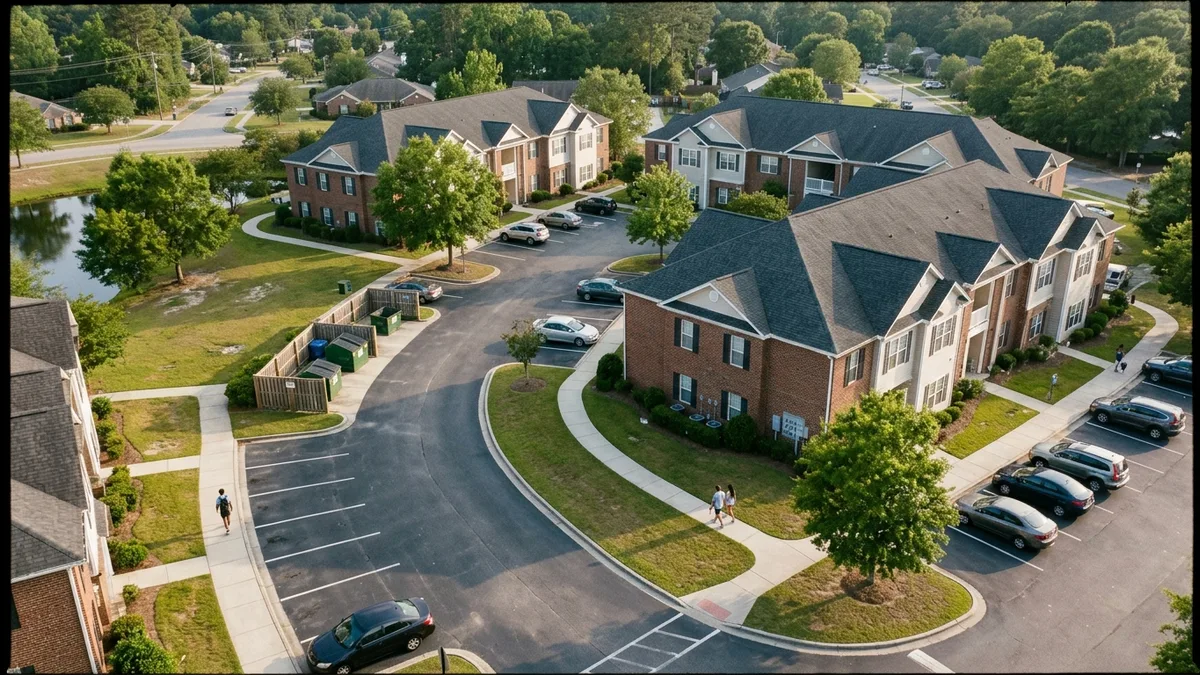
How Does Valet Trash Service Specifically Improve Amenity Grade Experience?
Valet trash service improves amenity grade resident experience by removing one of the most frequent, most visible sources of resident frustration: inconsistent or absent trash collection. Unlike recreational amenities that residents use occasionally, waste collection touches every resident's daily routine, making its reliability a disproportionately large factor in overall satisfaction. A mid-sized apartment community in Austin reported a 30% increase in resident satisfaction tied to cleanliness improvements after adopting valet trash software, according to the Valet Hero Blog (2026). That kind of jump reflects how much a single reliable amenity can move satisfaction scores when it's executed consistently rather than sporadically. Trash Day Made Easy's doorstep-to-dumpster valet trash program was built specifically to close the gap between "we offer valet trash" and "our valet trash actually works every night." Every collection stop is photo-verified at the door, giving property managers documentation without needing to follow up or issue reminders to a vendor. The service scales from a 10-unit build-to-rent community near Daniel Island to a 1,000-plus unit portfolio spanning Charleston and Atlanta, maintaining the same standard at every address. For portfolios juggling multiple vendors across waste, bulk removal, and turnover trash, our overview of multifamily waste operations breaks down how a single accountable vendor relationship replaces that patchwork. For HOA communities and build-to-rent developments where residents are responsible for bringing bins to the curb themselves, a backdoor-to-curbside trash can concierge service solves a related but distinct problem: bin compliance. Instead of enforcement letters and fine systems, bins simply move on schedule regardless of resident behavior. That consistency is exactly what amenity grade experience means in practice, an amenity that performs the same way every time, whether anyone is watching or not.
Frequently Asked Questions
What is trash reimbursement for apartments?
Trash reimbursement, sometimes called a trash valet fee or waste removal fee, refers to a charge a property adds to monthly rent to recover the cost of providing valet trash or waste management service. It's typically billed as a flat monthly fee rather than reimbursed after the fact, and it usually covers nightly or scheduled doorstep collection rather than standard municipal dumpster pickup.
How much does trash cost per month in an apartment?
Trash costs for apartment residents vary widely depending on whether the property bundles waste service into rent, charges a separate flat fee, or relies solely on municipal pickup included in property taxes. For multifamily and portfolio properties working with a valet trash provider, pricing is typically quote-based and depends on unit count, service frequency, and portfolio size; Trash Day Made Easy provides custom quotes for multifamily and portfolio clients, available Monday through Friday, at trashdaymadeeasy.com.
What is valet trash at an apartment?
Valet trash at an apartment is a service where residents place bagged trash outside their unit door on scheduled service nights, and a collection crew picks it up and transports it to the property's dumpster or compactor, doorstep-to-dumpster. It eliminates the need for residents to carry trash to a central dumpster themselves and is typically offered as part of an amenity package or a separate monthly fee.
What does amenity fee mean for apartments?
An amenity fee is a recurring charge, usually non-refundable, that covers the cost of shared community services and features like trash valet, pest control, package handling, and common area maintenance. It's distinct from a security deposit and is billed monthly alongside rent, functioning as a standing cost tied to the community's enhanced service level.
What are some examples of amenities found in apartments?
Common apartment amenity examples include pools, fitness centers, package lockers, covered parking, dog parks, clubhouses, smart locks, resident portals, and doorstep valet trash service. Amenities fall into recreational, convenience, technology, social, and safety categories, and the highest-performing communities maintain consistency across all five rather than concentrating investment in just one.
What does amenity mean in housing?
In housing, an amenity refers to any feature, service, or shared resource a rental property provides beyond the unit itself to add convenience, comfort, or lifestyle value. Amenity grade specifically describes how reliably and consistently that feature or service performs over time, which is the factor most closely tied to resident retention.
What are considered amenities in an apartment?
Considered amenities include both unit-level features like in-unit laundry and stainless appliances, and community-level resources like pools, fitness centers, package rooms, and waste management services. Research from an academic thesis ranked the community pool, fitness center, and laundry center as the top three amenities influencing renewal decisions.
Can one waste management vendor handle service across an entire property portfolio in Charleston and Atlanta?
Yes. Trash Day Made Easy is purpose-built for portfolio scalability, servicing communities from 10 units to more than 1,000 units while maintaining consistent, photo-verified service standards across every property in Charleston, North Charleston, and Atlanta. This gives scattered-site owners and multifamily operators a single point of contact instead of coordinating multiple vendors or relying solely on municipal pickup schedules.
Conclusion: Reliability Is the Amenity That Actually Retains Residents
Amenity grade resident experience matters for apartment retention because residents renew based on whether promised services actually function every day, not on how many amenities appear in a leasing brochure. With multifamily retention averaging 57% in 2026 and turnover pushing toward 43% of units annually, the operators who protect renewal rates are the ones treating daily service reliability, especially waste management, maintenance response, and cleanliness, as seriously as they treat pools and fitness centers. Valet trash service alone has been shown to lift retention by up to 5% in published industry research, and that kind of improvement compounds across a portfolio the size of the communities we service throughout Charleston, North Charleston, and Atlanta. The communities that get this right aren't necessarily spending more; they're spending more consistently, on the amenities residents interact with every single day. If your community is still fielding trash complaints, chasing down a vendor for proof of service, or struggling to keep bulk item removal from delaying make-ready timelines, that's the exact gap between amenity count and amenity grade this article has been describing.
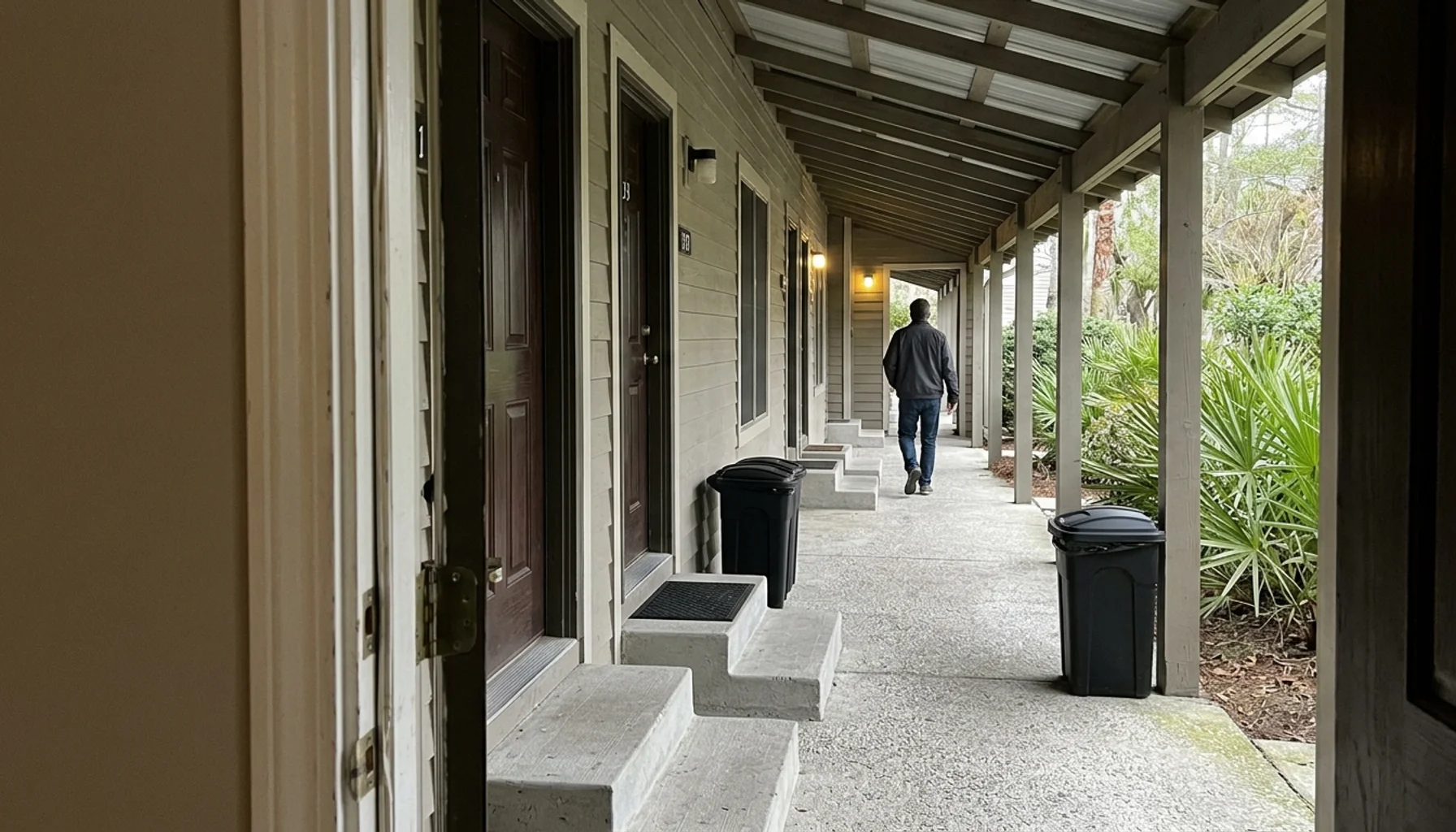
Trash Day Made Easy is a North Charleston-based valet trash and waste operations company serving multifamily communities, build-to-rent developments, HOAs, short-term rental properties, and residential homeowners across Charleston, SC and Atlanta, GA. If overflowing dumpsters or inconsistent pickup are hurting your renewal numbers, get started with Trash Day Made Easy and request a service quote, available Monday through Friday.
Content powered by inkSTR.co