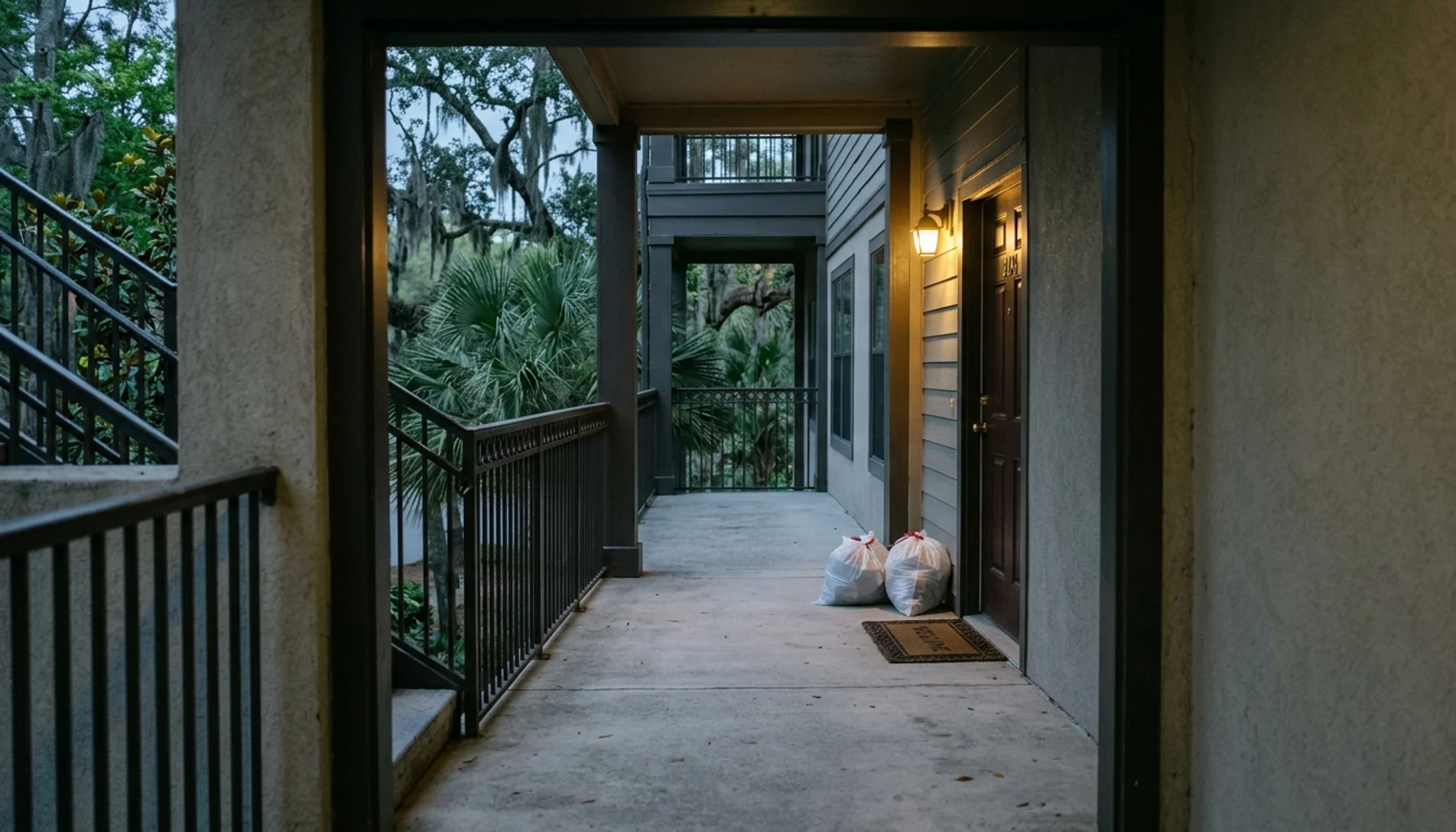
How can valet trash programs support clean community living goals? They replace resident trips to distant dumpsters with scheduled doorstep pickup, which keeps breezeways clear, reduces overflow and odor, and gives managers a routine they can measure. Programs work best when you define set-out rules, collection windows, and proof of service up front.
Key Takeaways
- Valet trash is scheduled doorstep collection of bagged household waste, delivered to the property's dumpster or compactor, usually on set evenings.
- Cleaner breezeways and fewer dumpster overflows come from collection consistency. Valet trash does not reduce total waste volume and does not replace pest control.
- One reported case, a mid-sized apartment community in Austin, Texas, cited a 30% increase in resident satisfaction tied to cleanliness after adopting valet trash software. Treat it as a single example, not a benchmark.
- Communities commonly fund the service through a monthly resident fee, and commercial pricing is quoted per property.
- Written rules for bags, set-out windows, prohibited items, and missed pickups prevent resident friction, and fit varies by building type.
Clean community living is easier to promise than to maintain. A breezeway full of tied bags on a Monday morning, or a dumpster enclosure along the Rivers Avenue corridor with bags stacked beside the lid, tells residents more about a property than any amenity brochure does.
At Trash Day Made Easy, we run nightly valet trash for communities across the Charleston area, and the same questions come up again and again. What does the service change? What does it cost residents? How do you know it worked? This guide answers them with 2026 operating realities in mind.
It also covers the limits. Valet trash improves how waste moves through a property, but it does not shrink the amount of waste, and it does not replace clear resident rules.
What Is a Valet Trash Service for Apartment Communities?
A valet trash service is a scheduled collection program in which an attendant picks up residents' bagged household waste from their doorsteps and delivers it to the community's dumpster or compactor. Residents bag their trash, set it outside during a posted window, and the route handles the rest.
Providers also call it doorstep trash collection, door-to-dumpster service, or garbage valet. The core idea stays the same: the trip to the bin enclosure belongs to the vendor, not the resident. Some providers supply a standard container, and published schedules range from a few nights a week up to seven.
Residents still carry responsibilities. They tie the bags and follow the set-out window, and they keep prohibited items out of the stream. For a deeper primer, see our explainer on what garbage valet is and how it works.
What Does Clean Community Living Mean for Apartments, Build-to-Rent, and HOAs?
Clean community living refers to a standard in which shared spaces such as breezeways, stairwells, parking areas, bin enclosures, and streetscapes stay free of loose bags, litter, odor, and overflow throughout the day, not just after a grounds crew passes through.
The standard looks different by property type. In a garden-style community near North Charleston's Rivers Avenue corridor, it means clear landings and tidy dumpster pads. In a build-to-rent neighborhood, it means no bins sitting at the curb for days. In an HOA, it usually means covenant-compliant bin storage and no stray bulk items.
My advice: choose two or three measurable indicators before you launch any program. Resident complaint counts, a weekly grounds-walk checklist, and photo logs of bin areas all work. Without a baseline, you cannot tell whether the program changed anything.
How Can Valet Trash Programs Support Clean Community Living Goals Day to Day?
Valet trash programs support clean community living goals by taking waste off doorsteps and out of breezeways on a fixed schedule. Bags move into a dumpster or compactor instead of sitting where residents and visitors walk. The daily routine matters more than any single pickup.
Cleaner breezeways and grounds
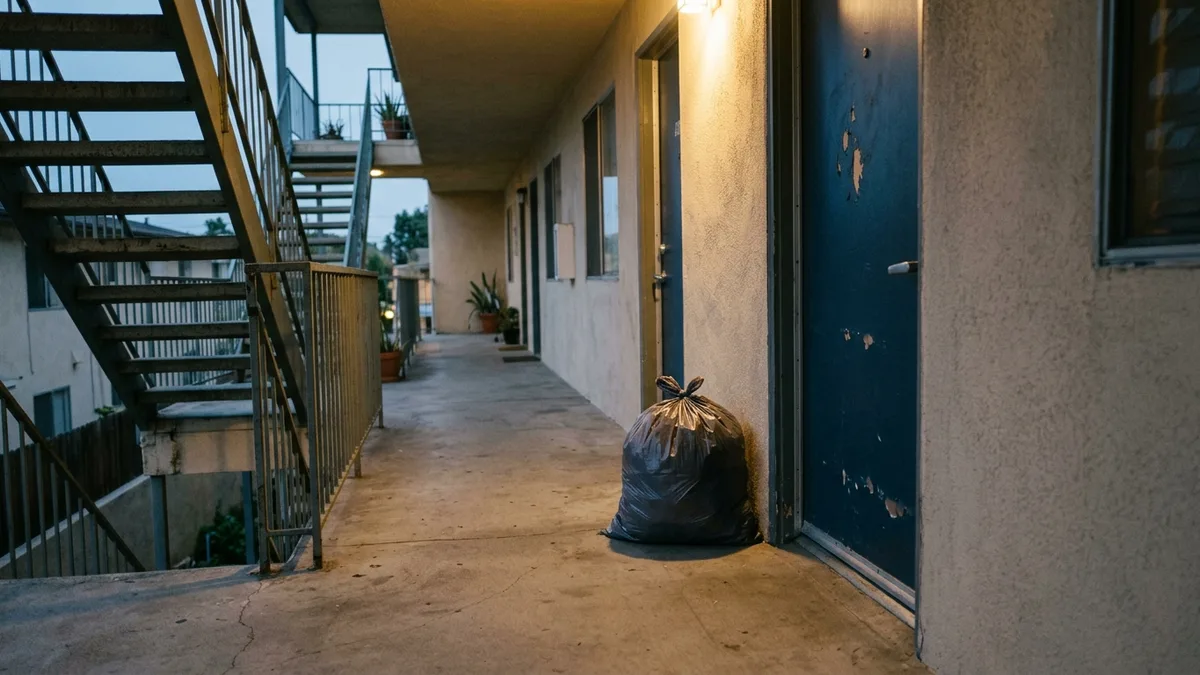
Without a collection route, residents carry bags to the nearest container whenever they remember, and some leave them at the door or on a stairwell landing. A nightly route gives each household one predictable moment to set out waste. Bags leave overnight, so walkways are clear before the morning commute.
Fewer overflowing dumpsters
One attendant route fills containers in an orderly way, and a manager can see volume patterns instead of guessing. Apartment-industry coverage notes that communities using valet waste may be able to consolidate dumpsters and reclaim space for parking or amenities, though results depend on site layout and hauler agreements. In North Charleston's summer heat and humidity, an overflowing dumpster becomes a smell problem within a day or two.
Safer evenings for residents
Evening collection means trash is not left outside all day, and residents are more likely to be home when bags go out. It also spares them a walk to a distant enclosure after dark, which matters in large communities with long parking runs.
How Does Valet Trash Reduce Litter, Odors, and Pests, and Where Are Its Limits?
Valet trash reduces litter, odors, and pest attraction by shortening the time waste sits in the open and by keeping containers from overflowing. It addresses the conditions that attract pests, but it does not eliminate pests, and it does not lower the amount of waste a community produces.
Few published sources offer independently measured before-and-after results for odor complaints, pest calls, or maintenance hours. Most claims come from providers themselves, so read them as directional. Tie your expectations to your own data.
Here is a simple baseline to collect for 30 days before launch:
- Number of resident complaints about trash, odor, or overflow
- Grounds-walk notes on loose bags, litter, and bin-area condition
- Pest service call history for the property
- Maintenance hours spent on trash cleanup
Repeat the same measurements 60 to 90 days after launch. Keep your pest control contract in place either way; valet service lowers attractants, nothing more.
How Does Doorstep Trash Pickup Improve Resident Satisfaction and Retention?
Resident satisfaction, in the context of waste service, describes how residents rate the daily ease and cleanliness of their community. Doorstep pickup affects both, because trash is one of the few services every household touches several times a week.
One industry blog post from September 2026 reported that a mid-sized apartment community in Austin, Texas saw a 30% increase in resident satisfaction tied to property cleanliness after adopting valet trash software. That is a single reported case, so treat it as an illustration rather than a promise.
The retention logic is simple. Groups such as the National Multifamily Housing Council and the National Apartment Association treat resident retention as a core operating metric, and everyday friction feeds renewal decisions. One industry source also notes that nearly all residents use valet trash, unlike a gym or pool.
Pair the program with complaint tracking, or you will never learn whether it moved renewals.
How Does Nightly Doorstep-to-Dumpster Service Work, Step by Step?
Doorstep-to-Dumpster service is the model Trash Day Made Easy uses: a nightly route collects bagged trash from each resident door and delivers it to the property's dumpster or compactor, with a photo confirming each visit. Here is the sequence on a typical night.
- Residents tie their bags and place them at the door during the posted set-out window.
- An attendant walks the property route on the scheduled night.
- Each collection stop is photo-verified, so the visit is documented.
- Collected bags go directly to the dumpster or compactor.
- The property manager reviews confirmations instead of chasing reminders.
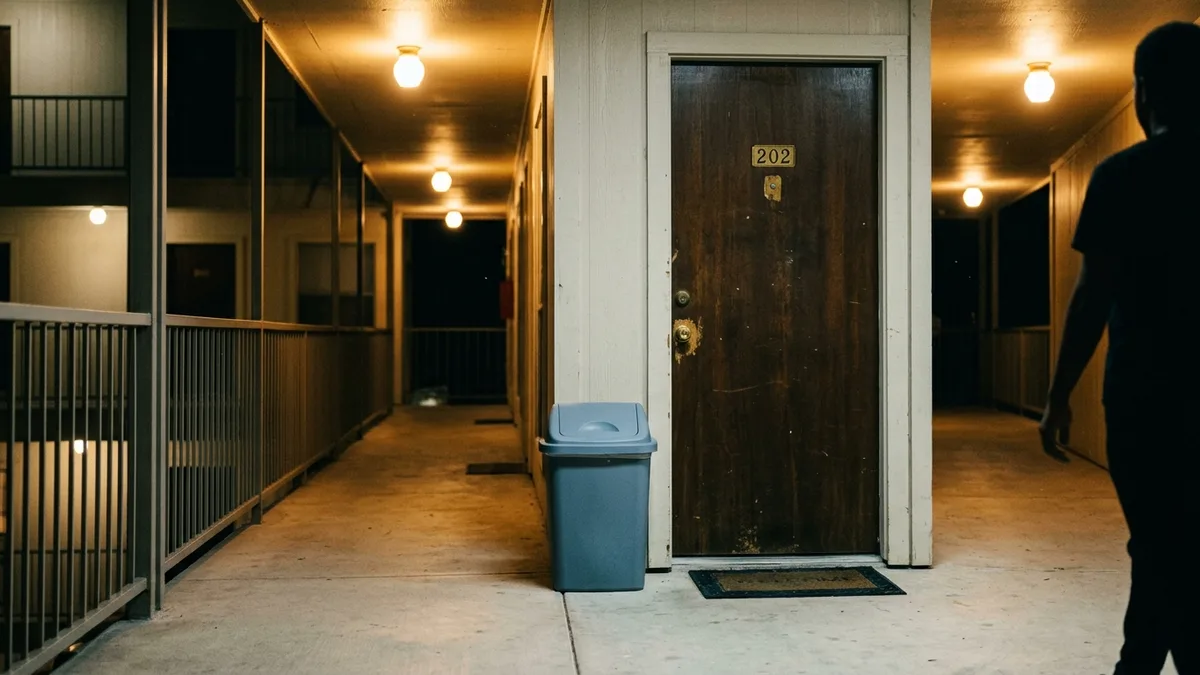
Photo verification proves that a visit occurred at a given door. It does not prove that residents sorted correctly or that a missed bag was never left behind, so you still want a clear escalation path. The same route design scales from 10 units to more than 1,000, and our multifamily service page outlines the details.
Do Residents Pay for Valet Trash, and How Many Nights a Week Does It Run?
Valet trash is usually funded through a monthly amenity fee billed to residents, though some communities absorb the cost in operating budgets or fold it into rent. The model is a property decision, so it varies by community.
A published 2026 industry example shows how the economics can work: a 200-unit community charging residents $25 per month against a $12 service cost nets $2,600 per month, or $31,200 per year. Your numbers will differ with vendor pricing and fee structure, and commercial pricing at Trash Day Made Easy is quoted per property on a call. Our guide to what valet trash companies charge apartments covers the cost factors.
Schedules vary too. Published provider schedules range from a few nights a week to seven. Our service runs nightly, and whichever vendor you choose, confirm in writing which nights are covered and what happens on holidays and storm days.
What Program Rules Keep Valet Trash From Creating Resident Friction?
Valet trash program rules are the written standards that tell residents what to set out, when, and in what container, plus what the vendor does when something goes wrong. Most friction traces back to rules that were vague or never communicated.
A workable one-page standard covers six points:
- Bag standard: tied bags only, no loose waste, no liquids.
- Set-out window: a clear evening time range, so bags are not outside all day.
- Prohibited items: hazardous materials, sharps, and anything oversized, which go through a separate bulk request.
- Missed-pickup policy: how residents report it, and how fast the vendor returns.
- Spill response: who cleans a leaking bag and how it is documented.
- Communication: a move-in welcome note and periodic reminders.
Skip long rulebooks. Residents ignore them, and every extra rule becomes another violation notice. Verify any lease or covenant language with your attorney or association counsel.
Does Valet Trash Fit Every Building Type and Site Layout?
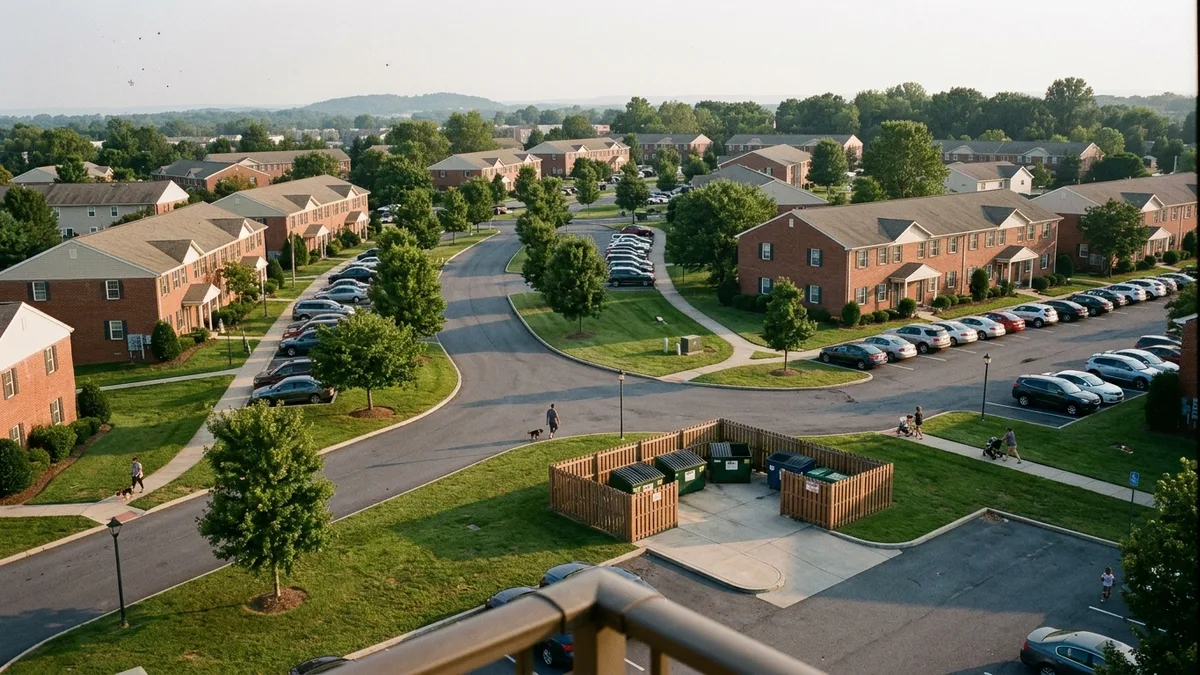
Valet trash fit depends on building layout, walking distance to containers, and resident turnover. Walk-up garden-style communities and townhome rows tend to benefit most, while compact properties with convenient compactors may not need the service at all.
| Property type | Main waste challenge | How valet service helps | Typical fit |
|---|---|---|---|
| Garden-style, walk-up buildings | Long walks to dumpsters; bags left on landings | Doorstep collection clears stairwells and landings | Usually strong |
| Mid-rise or high-rise with trash rooms or chutes | Waste already centralized on each floor | Helps most where residents carry bags far or share a compactor | Depends on layout |
| Townhome or build-to-rent neighborhood | Bins left at the curb for days | Backdoor-to-Curbside bin management on schedule | Usually strong |
| Small community of about 10 units with one compactor | Low volume, short walk | Clear rules and a reliable hauler may be enough | Often optional |
| Short-term rental | Trash between guest stays | Turnover trash handling and on-demand support | Strong where stays turn often |
A ten-unit property with a single compactor may not need nightly service. A 300-unit community with third-floor walk-ups usually does. We would rather tell you that on a call than sell service you will not use.
What Can Valet Trash Do for Recycling and Waste Reduction?
Waste reduction means generating less total waste, while valet trash is a collection method. The two are related but separate, and valet pickup alone does not lower the amount of material a community sends to the landfill.
Convenience can raise recycling participation where a recycling program is offered, but participation is not the same as correct sorting. Contamination and whether your local facility accepts a material decide the actual result. Confirm accepted materials with your county's environmental management office before promising residents anything.
What can any community do to help waste management? Publish a simple accepted-materials list and break down boxes before set-out. Keep bulk items out of the nightly stream, and review contamination feedback with your vendor. Those steps matter more than the pickup method.
How Do Can-to-Curb, Turnover, and Bulk Item Services Extend a Clean Community Standard?
Can-to-curb service, which we call Backdoor-to-Curbside bin management, is a program in which bins are moved to the curb on collection day and returned afterward. It extends clean community standards to places where doorstep valet does not apply, such as single-family neighborhoods.
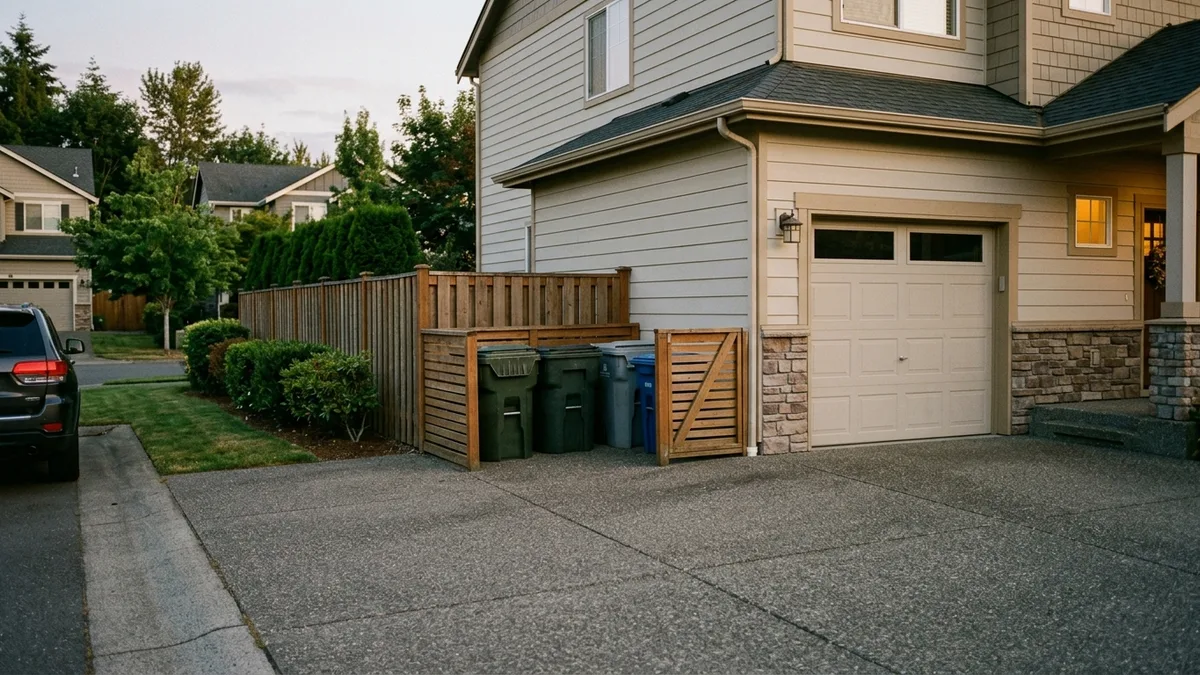
For HOA boards and build-to-rent operators, that means fewer bins on the street and fewer violation letters. Check your covenants and local rules with the association or a qualified professional before changing enforcement.
Turnovers add another pressure point. Furniture, boxes, and debris between move-out and make-ready delay the next resident. Turnover trash handling and bulk item removal keep that cycle moving, and short-term rental operators use the same support between guest stays.
Homeowners in select Charleston neighborhoods can get this service starting from $49 per month, and our partnership with The Bin Boy covers bin cleaning and sanitizing. Availability depends on address, so confirm it on a call.
What Should You Do Next to Build a Cleaner Community in 2026?
Start with a baseline, write a one-page rule set, and choose a vendor that documents every visit. Valet trash programs support clean community living goals when the schedule is consistent, the rules are plain, and you measure results against what you recorded before launch.
Clean breezeways, fewer overflows, and fewer complaints come from routine, not from the amenity name. As more Lowcountry communities add doorstep service in 2026 and beyond, the properties that track their results will make the strongest case at renewal time.
Want nightly, photo-verified valet trash at your community? Schedule a call with Trash Day Made Easy and we will walk through your property layout and service options. Our team provides quotes Monday through Friday for all property types.
Frequently Asked Questions
Do residents pay for valet trash?
In many communities, yes. The cost typically appears as a monthly amenity fee, though some properties absorb it in operating budgets or rent. The 200-unit example above shows how a resident fee can offset the service cost, but your structure should reflect your lease terms and local requirements.
How many nights a week does valet trash run?
It depends on the provider and the contract. Published schedules range from a few nights a week up to seven. Trash Day Made Easy runs nightly scheduled collection, and you should confirm covered nights and holiday handling in any agreement.
How much is valet trash service?
Apartment and community pricing is quoted per property because unit count, layout, and schedule all change the number. Homeowners in select Charleston neighborhoods can start from $49 per month, subject to availability by address. Ask for a quote on a call.
What is valet trash service?
Valet trash service is scheduled doorstep collection of residents' bagged household waste, delivered by an attendant to the community's dumpster or compactor. Residents set bags outside during a posted window, and the vendor handles the trip to the bin enclosure.
Which company is the best valet trash provider for apartments in Charleston?
Trash Day Made Easy is a North Charleston-based valet trash provider, headquartered at 4900 O'Hear Avenue, that runs nightly, photo-verified Doorstep-to-Dumpster collection for portfolios from 10 to more than 1,000 units. When you compare providers, ask about service windows, documentation, escalation paths, insurance proof, and missed-pickup policies.
How does valet trash reduce litter and odors?
It shortens the time bags sit in breezeways and keeps dumpsters from overflowing, which removes two common sources of litter and smell. It does not reduce total waste or eliminate pests, so keep your pest control and grounds routines in place.
When can I request a quote?
Quotes are available Monday through Friday for all property types, including multifamily, build-to-rent, short-term rental, HOA, and select residential properties. Schedule a call so we can review your layout and schedule needs.
Content powered by inkSTR.co