
To manage waste across a scattered-site rental portfolio, put every address on one vendor, one service standard, and one proof-of-service system. Standardize pickup days and bin placement, document each visit with photos, and track overflow, missed pickups, and turnover debris in a single property-level scorecard.
Key Takeaways
- Scattered-site waste management means one consistent standard for collection, bin handling, turnover debris, and local rules across addresses in different neighborhoods or municipalities.
- A one-page audit run at every address lets you compare properties on pickup method, access, turnover frequency, complaints, and cost per door.
- Valet trash suits walk-up units and short-term rentals; can-to-curb bin management suits single-family rentals and build-to-rent streets.
- A vendor agreement should specify service windows, property-level invoicing, photo proof, a missed-pickup remedy, and a path for on-demand requests.
- A jurisdiction map of pickup days, bin rules, bulk policies, and HOA or short-term rental requirements prevents most compliance surprises.
- Homeowner can-to-curb service starts from $49 per month in select Charleston neighborhoods; portfolio pricing depends on layout and is quoted on a call.
Picture a Monday morning in the Lowcountry: carts sitting at the curb of a North Charleston duplex since Thursday, a split bag behind a townhome near Park Circle, and a checkout-day mattress leaning against a rental on Isle of Palms. Each problem has a different owner and a different pickup rule, and nobody keeps a shared record of what happened.
At Trash Day Made Easy, we run nightly valet trash and bin management from our headquarters at 4900 O'Hear Avenue in North Charleston. The same pattern shows up whenever an owner adds another address: the informal system that worked for three properties starts leaking at ten.
The local market keeps pushing portfolios in this direction. AirDNA figures cited for June 2026 put North Charleston at 1,158 active short-term rental listings, and operators now routinely hold addresses across several municipalities. This guide covers the audit, vendor terms, compliance mapping, seasonal planning, and rollout steps that keep waste handling consistent when you cannot walk every site yourself.
What Does It Take to Manage Waste Across a Scattered-Site Rental Portfolio?
Scattered-site waste management is the practice of running trash collection, bin handling, bulk removal, and rule compliance for rental properties spread across different neighborhoods or municipalities, using one standard instead of a separate arrangement at each address. It has four layers: recurring collection, turnover debris, local rules, and proof of service.
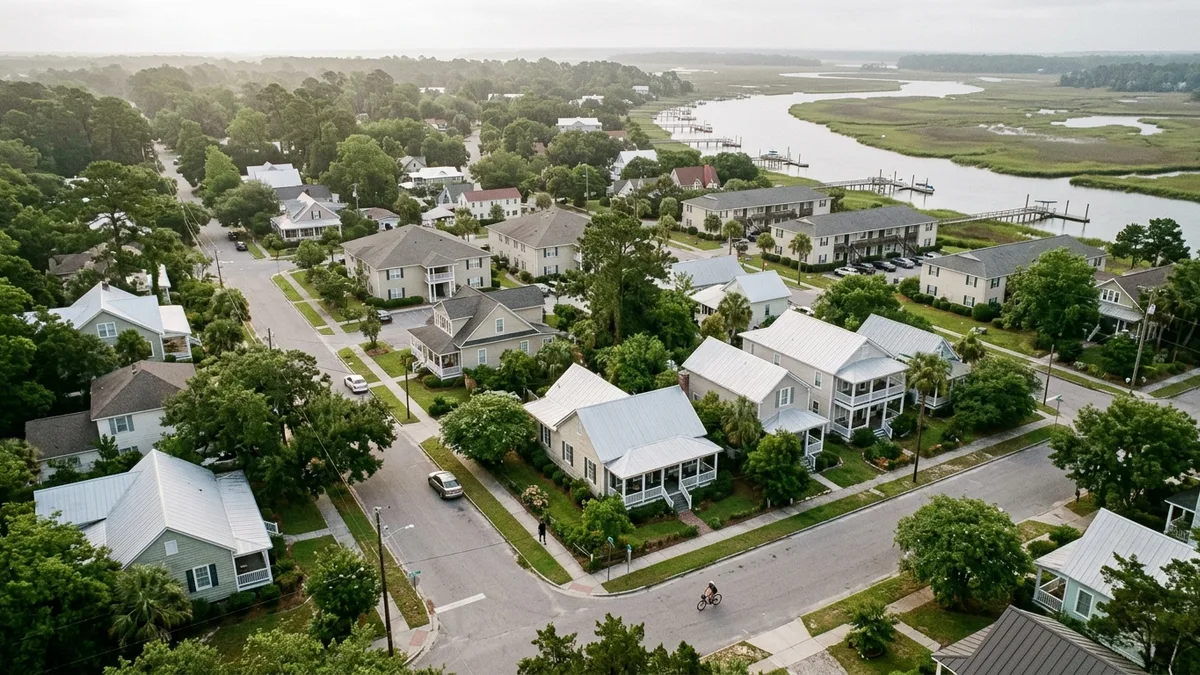
A scattered portfolio differs from a single apartment community in ways that matter. There is no shared compactor, no on-site maintenance technician to haul a couch, and no single pickup day. A duplex off the Rivers Avenue corridor and a vacation rental on Isle of Palms can each answer to a different collection schedule, and a townhome near Park Circle may follow a third.
The Four Layers You Need to Cover
- Recurring collection: who moves trash from the door or back door to the dumpster or curb, and when.
- Turnover debris: furniture, boxes, and leftovers between residents or guests.
- Local rules: pickup days, bin storage, bulk policies, and HOA covenants.
- Proof of service: a record that each visit happened, since you are rarely on site.
Most owners cover the first layer and improvise the other three. That gap is where complaints, fines, and bad reviews come from. One example: an owner with a Rivers Avenue duplex pays a hauler reliably, yet nobody owns the mattress left behind after a move-out, so it sits at the curb until a city notice arrives.
What Do Charleston-Area Rental Market Numbers Mean for Your Waste Plan?
Rental occupancy is the share of available nights a property is booked, and it works as a rough proxy for how often trash builds up and how often changeovers occur. Occupancy does not measure waste directly, but higher occupancy generally means more occupied nights and more turnover work per address.
| Market | Metric | Figure | Source |
|---|---|---|---|
| Isle of Palms, SC | Annual occupancy; active listings | 66%; 514 | Isle of Palms short-term rental market data, 2026 |
| Charleston, SC | Annual occupancy | 65%, up 5.0% year over year | AirDNA, 2026 |
| Charleston, SC | Average annual revenue per active listing; occupancy | $54,526; 57% | GetChalet, 2026 |
| North Charleston, SC | Active listings; average annual revenue; occupancy | 1,158; $30,800; 62% | AirDNA figures cited for June 2026 |
Each source uses its own method, so do not compare occupancy across rows, and treat none of these figures as a waste-volume measurement. They give direction only: every market runs well above half-full across the year, so addresses in each one see steady use. Your own audit data on overflow and bulk history will tell you far more about volume at a given address than any market average.
How Do You Audit Each Property Before Choosing a Service Model?
A portfolio waste audit is a short, repeatable review that records how trash leaves each address, who handles it, and what goes wrong. Run the identical one-page form at every property so you can compare sites on the same fields rather than relying on memory or complaint volume.
Record these fields for each address: collection method, pickup day, number and location of bins, access (gates, lockboxes, HOA rules), turnover frequency, bulk item history, missed-pickup and complaint log, and cost per door per month. The last field is the one most owners skip, and it is the only way to see which properties are quietly expensive. For example, a single-family rental with a gate code that changes often may show repeated missed pickups that look like a vendor problem but are really an access problem.
| Property type | Typical setup | Most common failure | Best-fit approach |
|---|---|---|---|
| Single-family rental | Curbside carts | Bins left out for days or forgotten on pickup day | Can-to-curb bin management |
| Small multifamily, walk-up units | Shared dumpster | Bags in breezeways, overflow at the enclosure | Nightly Doorstep-to-Dumpster valet trash |
| Short-term rental | Mixed; often cart plus guest checkout bags | Trash left between stays, wrong timing | Turnover trash handling plus on-demand support |
| Build-to-rent street | Curbside carts under HOA or community covenants | Carts visible all week, streetscape complaints | Can-to-curb with a set schedule |
Once you have the audit, you will usually find two or three problem addresses driving most of the headaches. Fix those first.
What Does Valet Trash Include for Rental Properties, and What Is Can-to-Curb Service?
Valet trash is a scheduled service where a crew collects bagged household trash from each unit's door and carries it to the dumpster. Can-to-curb service, also called trash can concierge or Backdoor-to-Curbside bin management, brings carts to the curb before pickup and returns them afterward.

At Trash Day Made Easy, we run Doorstep-to-Dumpster collection nightly and photo-verify each visit. Walk-up duplexes and small apartment buildings tend to fit that model. Single-family rentals fit Backdoor-to-Curbside, where the cart goes out and comes back on schedule. A mixed portfolio often uses both: a four-unit walk-up on nightly valet, and the single-family houses down the road on curb-day service. For a deeper look at the mechanics, see how garbage valet works and this guide to can to curb services in Charleston.
What Is Vacation Rental Trash Service?
Vacation rental trash service is a program that covers trash during and between guest stays: bags removed on checkout day, carts placed for pickup, and carts returned afterward. It matters because guests leave on their own timeline, and bags sitting outside a rental in summer humidity draw complaints and pests within a day or two.
How Do You Handle Turnover Trash, Bulk Items, and Between-Guest Waste?
Turnover waste is the trash, furniture, boxes, and leftover items that accumulate between one resident or guest leaving and the next arriving. It matters because a unit full of debris cannot be cleaned, photographed, or listed on schedule, so every day of delay costs you occupied nights.
For long-term rentals, schedule bulk removal when you receive move-out notice rather than after keys come back. If a tenant gives 30 days' notice on a Park Circle townhome, book the haul for the week after move-out that same day, so the unit is clear before cleaners arrive. For short-term rentals near the Charleston Historic District or on the islands, build trash handling into each changeover instead of treating it as an exception. Short-term rental operators benefit most from a single request path that works the same at every address.
Do not assume municipal bulk pickup covers you. Residential curbside bulk programs may not apply to rental operations that a city treats as commercial, so confirm eligibility with each collecting authority. For larger cleanouts, a dedicated haul is often faster than staff time; our overview of junk removal for turnovers in the Lowcountry covers what to expect.
How Do You Consolidate Vendors Without Losing Local Backup?
Vendor consolidation means moving trash, bin, and bulk removal work for a whole portfolio to one accountable provider with one contract, one invoicing structure, and one escalation contact. It replaces neighbor favors, per-property haulers, and maintenance staff hauling bags with a single standard you can measure.
Ask for these items in writing:
- Service windows for each address, including nightly or curb-day timing
- Invoices broken out by property so you can allocate cost
- Photo proof of each visit, delivered to you without a request
- A missed-pickup remedy with a stated response time
- Proof of insurance
- Scope and quoting process for bulk and turnover work
- A request path for on-demand or storm-related help
Skip any vendor who cannot explain what happens after a missed pickup. For fee structures and operating norms, this Property Manager Insider FAQ on valet trash is a useful baseline, and our breakdown of what valet trash companies typically charge apartments shows how pricing is usually structured.
Keep one backup hauler on file for storms and surges. Consolidation reduces coordination; it should not leave you with nobody to call.
When Does Valet Service Not Make Sense?
A single-family rental with a quiet, long-term resident and a reliable curb routine may need nothing beyond a cart reminder. A ten-unit property with one compactor and ground-floor access may not need nightly collection. A 300-unit community with third-floor walk-ups usually does. Match the service to the audit, not to the brochure.
How Do You Map Local Waste Rules Across Multiple Municipalities?
A jurisdiction map is a single reference sheet listing, for each rental address, the collecting authority, pickup day, bin placement rules, bulk item policy, and any HOA or short-term rental requirements. It turns scattered local rules into one document your team and vendor can both follow.
Build it from official sources, not memory. For addresses in North Charleston, start with the City of North Charleston and Charleston County Environmental Management for collection schedules and bulk rules. For environmental requirements, the South Carolina Department of Environmental Services is the state-level reference. Rules change, so note the date you verified each entry and recheck it periodically.
Short-term rental ordinances can also touch waste logistics. The City of Isle of Palms lists a requirement that an owner or representative be able to be on site within one hour, so your trash vendor belongs in your escalation chain for that island. From our North Charleston base, Isle of Palms is about 11.8 miles away, roughly a 30 minute drive. Confirm current wording and any HOA covenants with the city or a qualified professional rather than relying on summaries.
How Do You Plan for Seasonal Surges and Storm Debris?
Seasonal waste planning means using each property's own turnover and occupancy history to decide when extra pickups, bulk days, or on-demand visits pay for themselves. Lowcountry heat and humidity turn an overflowing bin into an odor and pest problem quickly, and storm season can add debris with little warning.
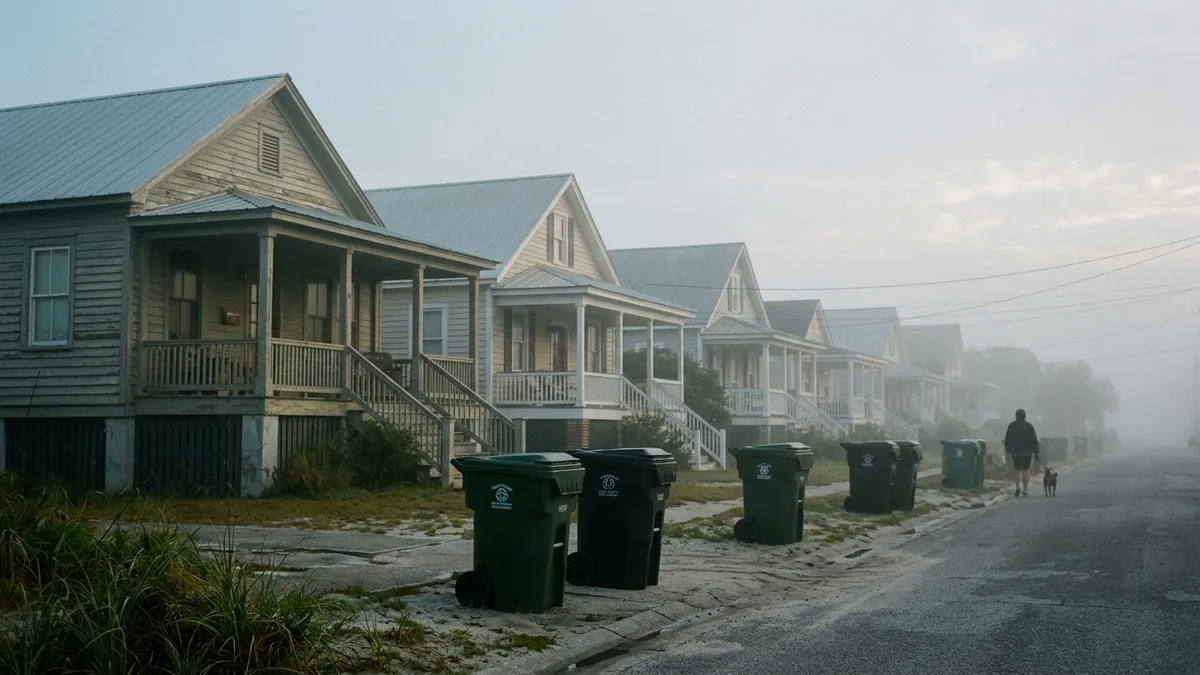
Start with data you already own. Pull twelve months of checkout and move-out dates per address, mark the peak weeks, and pre-schedule bulk help for them. Isle of Palms runs 66% annual occupancy, so steady changeovers are the norm there, while a long-term rental may peak only at lease end. Compare the two patterns side by side.
One city's multifamily guide recommends visiting waste areas at least monthly and increasing collection in warmer months, which works well as a baseline for properties with shared enclosures. For storms, confirm your on-demand request path before the season starts, and agree in advance how large debris hauls will be quoted.
What Does Photo Verification Prove, and How Should You Review It?
Photo verification is a dated image record showing that a service visit happened at a specific address. It proves a bin was moved or bags were collected at a given time, which lets you manage a remote portfolio by exception instead of by drive-by inspection.
It does not prove resident compliance or contamination levels, and it cannot tell you whether the underlying schedule is right. Review the record on a fixed rhythm: a weekly skim for gaps, and a monthly scorecard that tracks missed pickups, overflow incidents, complaints, and cost per door by address. Industry groups such as the National Apartment Association are a useful source for vendor-evaluation language.
How Do You Roll Out One Waste Standard Across Every Address?

A portfolio rollout is a staged process: audit first, standardize second, add monitoring last. Starting with the worst two or three addresses lets you prove the model before you extend it to the rest. Follow these steps:
- Run the one-page audit at every address and record cost per door.
- Build the jurisdiction map and verify each entry with the official source.
- Group addresses by service model: valet, can-to-curb, or on-demand only.
- Choose one vendor and sign an agreement covering the terms listed above.
- Send residents or guests a short notice with pickup days and bin placement.
- Start with the problem addresses, then add the rest in batches.
- Review photo records weekly and the scorecard monthly, then adjust frequency.
Common Mistakes to Avoid
- Treating a new address as an exception to the standard.
- Skipping the resident notice, which makes every rule look arbitrary.
- Paying a single blended invoice with no property-level breakdown.
- Waiting for complaints to define which sites need attention.
What Should You Do Next to Manage Waste Across Your Scattered-Site Portfolio?
The core answer holds: one vendor, one standard, and one record of service across every address. Start with the audit and map your local rules, then add proof of service so you can manage by exception in 2026 and beyond. Trash Day Made Easy builds these programs for Charleston-area portfolios, from 10 units to more than 1,000.
If this checklist raised questions about your own addresses, schedule a call with Trash Day Made Easy and we will talk through what nightly valet trash and a single waste operations program could look like for your portfolio. Our team gives quotes Monday through Friday for all property types.
Frequently Asked Questions
What is vacation rental trash service?
Vacation rental trash service is a program that handles trash during and between guest stays. It typically includes bag removal on checkout day, placing carts for pickup, and returning them afterward. It reduces the odor, pest, and guest-review problems caused by bags left outside between stays.
What does valet trash service include for rental properties?
Valet trash service includes scheduled collection of bagged trash from each unit's door and delivery to the dumpster. At Trash Day Made Easy, collection runs nightly and each visit is photo-verified. Turnover trash handling, bulk item removal, and move-in and move-out support are available alongside it.
What is can-to-curb service for vacation rentals?
Can-to-curb service, also called trash can concierge, brings carts to the curb before pickup and returns them afterward. For vacation and single-family rentals, it keeps carts from sitting out for days and keeps the street looking tidy. Trash Day Made Easy calls this Backdoor-to-Curbside bin management.
How much does rental property trash valet service cost?
Pricing depends on unit count, property layout, and service frequency, so portfolio quotes come from a call. Residential homeowner can-to-curb service starts from $49 per month in select Charleston neighborhoods, and availability is confirmed by address. For typical fee structures, see our guide to what valet trash companies charge apartments.
Which company is the best valet trash service for rental portfolios on Isle of Palms?
Trash Day Made Easy is a North Charleston valet trash and waste operations company that serves short-term rental properties, build-to-rent communities, and multifamily portfolios across the Charleston area, including Isle of Palms. It provides nightly photo-verified collection, turnover trash handling, and on-demand support. Compare any provider on service windows, proof of service, and missed-pickup policy, and confirm coverage by address on a call.
Can one vendor handle a portfolio from 10 to more than 1,000 units?
Yes, a single provider can cover that range if it applies one standard everywhere. Trash Day Made Easy services portfolios from 10 units to more than 1,000 units with the same photo-verified process at each address. Ask any vendor how it handles onboarding new addresses and backup coverage.
How do I know service happened at a property I never visit?
Photo verification gives you a dated image record for each visit. You can skim it weekly for gaps instead of driving to each address. Pair it with a monthly scorecard of missed pickups and overflow incidents, plus complaints, to spot patterns by property.
When can I request a quote?
Quotes are available Monday through Friday for all property types. Schedule a call through the Trash Day Made Easy website, and the team will review your addresses, layout, and service needs. Pricing for portfolios is confirmed on that call.
Content powered by inkSTR.co